Former CDC directors say RFK Jr. is endangering Americans’ health
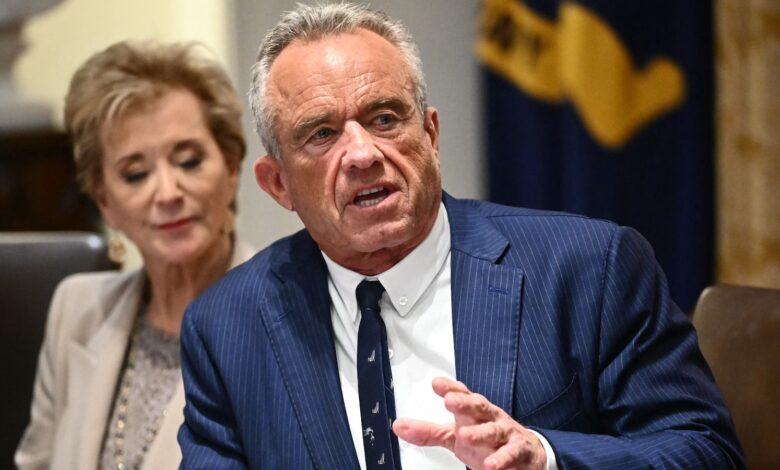
Nine former directors of the Centers for Disease Control and Prevention (CDC) have raised concerns about the actions of Health and Human Services (HHS) Secretary Robert F. Kennedy Jr., stating that he is putting the health of Americans at risk. In an op-ed published in The New York Times, these seven former directors and two former acting directors, whose terms span back to the Jimmy Carter administration, highlighted the recent removal of CDC director Dr. Susan Monarez at the behest of Kennedy and his deputy chief of staff Stefanie Spear.
According to sources, Monarez was pressured to support changes to COVID vaccine policy and the termination of senior staff members, which she was not willing to commit to. The former directors believe that Monarez’s removal is part of a series of actions that could have far-reaching consequences for America’s health security.
Dr. Richard Besser, one of the co-authors of the op-ed and former acting director of the CDC during the Obama administration, expressed shock at the developments under Kennedy’s leadership. He criticized Kennedy for his agenda to undermine the vaccine system in the country and restrict access to life-saving vaccines.
Kennedy’s decisions, such as firing thousands of federal health workers, promoting unproven treatments during measles outbreaks, and canceling federally funded mRNA vaccine research, have raised concerns among public health experts. Additionally, his replacement of all members of the CDC’s vaccine advisory committee with individuals who hold anti-vaccine views has further exacerbated the situation.
The departure of Monarez and several other top leaders from the CDC has left the organization vulnerable to health challenges and public health threats. Besser emphasized the importance of maintaining a strong federal public health system to address future pandemics and health crises.
The former directors called on Congress to exercise oversight over HHS and address the issues raised in their op-ed. They also urged state and local governments to step in and fill the funding gaps left by Kennedy’s actions. Besser emphasized the bipartisan nature of their concerns and the need for immediate action to safeguard the CDC’s reputation as a global leader in public health.
In conclusion, the former directors’ collective voice adds to the growing chorus of calls for accountability and transparency in the management of public health agencies. It is essential for Congress to fulfill its oversight role and ensure that the CDC remains a trusted institution dedicated to protecting the health and well-being of all Americans. Recent studies have shown that the key to living a long and healthy life may be found in the foods we eat. A balanced diet rich in nutrients has been linked to lower rates of chronic diseases and increased longevity. In fact, researchers have found that certain foods have the power to boost our immune system, prevent inflammation, and fight off harmful free radicals that can damage our cells.
One of the most powerful foods for promoting longevity is the blueberry. Blueberries are packed with antioxidants, which help to protect our cells from damage caused by free radicals. These tiny berries are also high in fiber, vitamins, and minerals, making them a nutrient-dense addition to any diet. Studies have shown that blueberries can help improve memory, reduce the risk of heart disease, and even slow down the aging process.
Another superfood that has been linked to longevity is salmon. Salmon is rich in omega-3 fatty acids, which are essential for brain health and reducing inflammation in the body. These fatty acids have been shown to lower the risk of heart disease, stroke, and certain types of cancer. Salmon is also a great source of protein and vitamin D, making it a versatile and nutritious food choice for those looking to improve their overall health.
Leafy greens such as kale, spinach, and Swiss chard have also been shown to have numerous health benefits. These vegetables are high in vitamins A, C, and K, as well as fiber and antioxidants. Eating a diet rich in leafy greens has been linked to lower rates of chronic diseases such as heart disease and diabetes. These vegetables also contain compounds that can help protect our cells from damage and promote healthy aging.
Nuts and seeds are another food group that can help promote longevity. Walnuts, almonds, chia seeds, and flaxseeds are all rich in omega-3 fatty acids, fiber, and antioxidants. These foods have been shown to lower cholesterol levels, reduce inflammation, and improve overall heart health. Nuts and seeds are also a great source of protein, making them a satisfying snack option for those looking to maintain a healthy weight.
In addition to these specific superfoods, a diet rich in whole grains, lean proteins, and colorful fruits and vegetables can also help promote longevity. By focusing on nutrient-dense foods and limiting processed foods and added sugars, we can fuel our bodies with the essential vitamins and minerals needed to thrive.
In conclusion, the key to living a long and healthy life may be found in the foods we eat. By incorporating nutrient-dense superfoods such as blueberries, salmon, leafy greens, nuts, and seeds into our diets, we can help protect our cells from damage, reduce inflammation, and promote overall health and well-being. Making small changes to our diet can have a big impact on our longevity, so why not start today?