Former Fed chairs, Treasury chiefs condemn Trump administration’s Jerome Powell probe
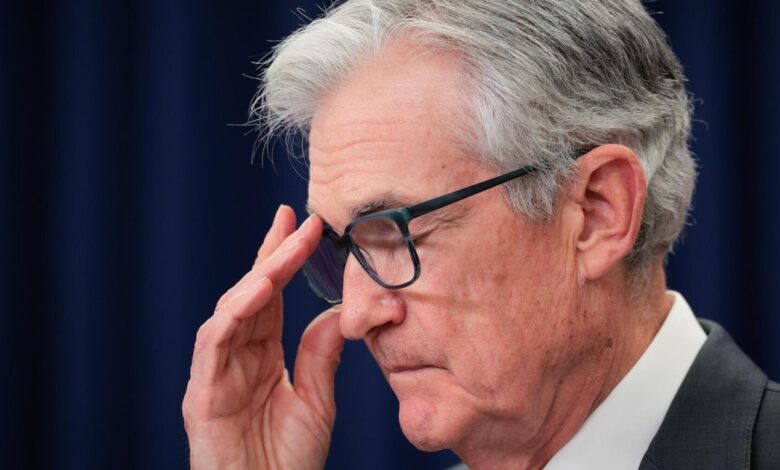
The recent investigation launched by the Department of Justice into Federal Reserve Chair Jerome Powell has sparked outrage among top former economic officials. Three former chairs of the Federal Reserve, Janet Yellen, Ben Bernanke, and Alan Greenspan, along with former Treasury Secretaries Timothy Geithner, Jacob Lew, Henry Paulson, and Robert Rubin, have signed a statement denouncing the probe. They argue that such an investigation undermines the central bank’s independence and could have detrimental effects on the U.S. economy.
The signers of the statement expressed concerns that the criminal inquiry into Powell is an unprecedented attack on the Fed’s independence. They likened the situation to how monetary policy is made in emerging markets with weak institutions, warning of negative consequences for inflation and the overall functioning of the economy. Powell, who has consistently defended the central bank’s independence, has come under scrutiny for his testimony before the Senate Banking Committee in June 2025 regarding a renovation project for historic Federal Reserve office buildings.
The investigation into Powell’s testimony has raised questions about political interference in monetary policy decisions. Former senior economic officials, including Jared Bernstein, Jason Furman, Glenn Hubbard, Gregory Mankiw, Kenneth Rogoff, and Christina Romer, have also voiced their support for the Fed’s independence. They argue that maintaining the Fed’s independence is crucial for achieving stable prices, maximum employment, and moderate long-term interest rates as mandated by Congress.
The statement from these economic experts highlights a unified front against the investigation into Powell. Nick Anthony, a policy analyst at the Cato Institute, noted that the opposition from such prominent figures could put pressure on the administration to reconsider its actions. However, the Trump administration’s push to influence the Federal Reserve’s decisions has raised concerns about the politicization of monetary policy.
Powell has linked the investigation to President Trump’s efforts to pressure the Fed to cut interest rates and undermine its independence. The Fed has made several rate cuts since Trump’s inauguration, citing economic factors as the basis for these decisions. Lawmakers from both parties have defended Powell against the investigation, with some accusing the administration of attempting to interfere with the central bank’s operations.
As Powell’s term as Fed chair approaches its end in May, questions remain about his future at the central bank. While he could continue to serve as a Federal Reserve governor, the Trump administration may seek to replace him with a more compliant candidate. The investigation into Powell’s testimony and the broader implications for the Fed’s independence raise concerns about the politicization of monetary policy and its impact on the economy.