Former Goldman Sachs CEO Lloyd Blankfein talks Wall Street crises, past and future
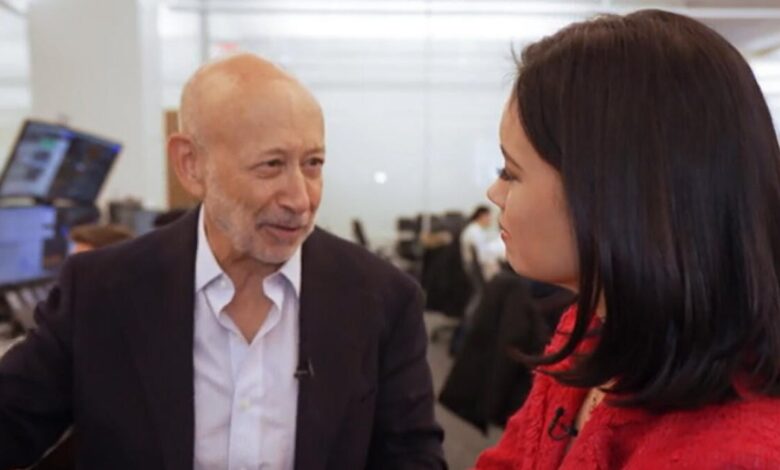
Lloyd Blankfein, the former CEO of Goldman Sachs, recently reflected on his journey from humble beginnings to the top of the finance world. Growing up in public housing in Brooklyn, Blankfein shared a small apartment with his grandmother and faced challenges in a neighborhood that was becoming increasingly dangerous. His father worked multiple jobs, including a night shift at the post office, to provide for the family.
Despite the obstacles he faced, Blankfein excelled in school and was accepted to Harvard at the age of 16. His experiences growing up shaped his resilience and determination, qualities that served him well in his career. In his new memoir, “Streetwise: Getting To and Through Goldman Sachs,” Blankfein shares insights from his journey to becoming the Chairman and CEO of Goldman Sachs in 2006.
Reflecting on the global financial crisis of 2007-2008, Blankfein acknowledges the unprecedented challenges faced by the financial industry during that time. The crisis, triggered by high-risk sub-prime mortgages, led to a massive housing bubble that eventually burst, impacting both banks and consumers. Blankfein emphasizes the importance of learning from past mistakes and being vigilant to avoid similar crises in the future.
During his tenure at Goldman Sachs, Blankfein faced scrutiny for the bank’s role in the crisis and participated in Congressional hearings investigating Wall Street practices. In 2016, Goldman Sachs reached a settlement with the Justice Department for misleading investors about the quality of mortgage-backed securities, a move that Blankfein believes was necessary to move forward.
Since retiring from Goldman Sachs in 2018, Blankfein has continued to be active in the financial world, buying and selling stocks for himself and supporting educational initiatives, including his alma mater Harvard. He believes in the power of education to uplift individuals and create opportunities for success.
When it comes to diversity and inclusion initiatives in the workplace, Blankfein advocates for programs that focus on advancing the careers and education of all individuals, rather than specific minority groups. He believes that providing equal opportunities for advancement will benefit everyone, including those who may have been targeted by diversity programs.
Looking back on his career and the impact of the financial crisis, Blankfein expresses a sense of accountability and personal responsibility. While he may not feel guilt, he acknowledges the sorrow of losing investors’ money and the weight of his decisions as a leader in the financial industry. Despite the challenges he has faced, Blankfein remains committed to learning from the past and striving for a better future in finance and beyond.