Full list of changes in ICC playing conditions
The International Cricket Council (ICC) has recently made some significant changes to its playing conditions across various formats of the game. These modifications were recommended by the ICC Men’s Cricket Committee, led by former Indian captain Sourav Ganguly. The changes were officially confirmed by the ICC on June 27, 2025, on their website. Let’s delve into the details of the alterations made to the playing conditions:
### Tweak to two-ball rule in ODIs
The updated ICC playing conditions for One Day Internationals (ODIs) now state that two new balls will be used for the first 34 overs of an innings. After that, the fielding side will have the option to choose one of the two balls for the remaining 16 overs. This adjustment provides an interesting strategic element to the game, allowing teams to make decisions based on the condition of the balls and the pitch.
### Boundary catches to test fielders
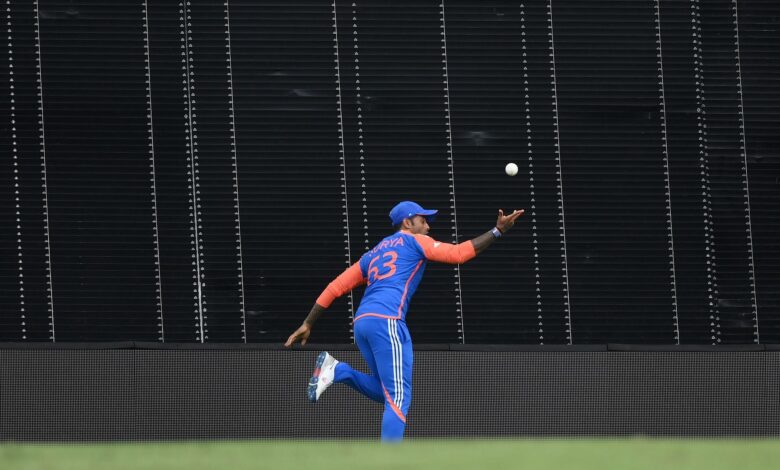
A significant change has been made to the rules regarding boundary catches. Now, an airborne fielder attempting a catch can only make contact with the ball beyond the boundary rope once. The fielder must then land inside the field of play to complete the catch. This rule aims to add clarity and fairness to boundary catches, ensuring that fielders adhere to the regulations while taking catches near the boundary.
### Changes to concussion protocols
The concussion substitute rule has also been updated. Teams will now have to nominate their concussion replacements before a match, rather than choosing from a wider pool of players. Additionally, a player diagnosed with a concussion during a match must undergo a minimum stand-down period of seven days before returning to action. This rule prioritizes player safety and ensures that adequate time is given for recovery.
### Stop clock in Test cricket
Following its introduction in limited-overs cricket, the stop clock rule has been implemented in Test cricket as well. The fielding team must be prepared to bowl the first ball of their next over within a minute of the previous over being completed. Failure to comply will result in warnings and eventually a five-run penalty for the fielding team. This rule aims to maintain the pace of the game and prevent unnecessary delays.
### Deliberate short runs
In addition to the existing penalty for deliberate short runs, the fielding team now has the opportunity to choose which of the two batters they want on strike for the next delivery. This rule adds a tactical element to the game, allowing teams to strategize and potentially disrupt the batting side’s momentum.
### DRS wicket zone
The Decision Review System (DRS) wicket zone has been updated to align with the actual outline of the stumps and bails. This adjustment aims to improve the accuracy and consistency of DRS decisions in international cricket matches.
These new playing conditions came into effect during the 2025-27 World Test Championship match between Sri Lanka and Bangladesh. The updated rules for ODIs and T20Is will be implemented during the upcoming limited-overs series between Sri Lanka and Bangladesh. Overall, these changes aim to enhance the game of cricket, ensuring fairness, safety, and strategic depth in various aspects of play.