GameStop closes more stores as retail apocalypse continues
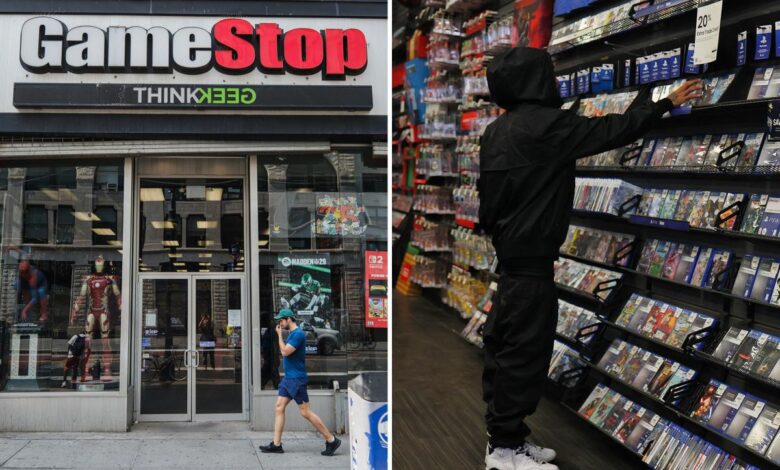
GameStop, a former brick-and-mortar video game retailer, is in the process of closing more stores in 2026. The company faced challenges due to the rise of digital game downloads and increased competition from online retailers and big-box chains. In fiscal 2024, GameStop closed 590 stores nationwide, and it plans to close a significant number of additional stores in its 2025 fiscal year, ending in January 2026. Recent reports show closures in various states, signaling the ongoing trend.
Despite not disclosing specific numbers or locations for store closures in fiscal 2025, GameStop hinted at significant closures in early 2025. The company also revised its investment policy to include a potential investment in Bitcoin, aiming to optimize returns and meet financial obligations.
GameStop’s struggles highlight the shift in consumer behavior and the decline of mall foot traffic, where many of its stores were situated. Revenue continued to decline, with a $39.3 million year-over-year decrease reported in the December earnings report.
Once a symbol of the mall era, GameStop gained attention as a meme stock in 2021, attracting retail investors organized through platforms like Reddit’s r/WallStreetBets. The stock’s performance has been volatile, with a significant drop over the past year.
In a bid to drive growth, CEO Ryan Cohen received a performance-based stock option award tied to the company’s market cap reaching $100 billion. As of now, the market cap stands at $9 billion.
CEO Ryan Cohen received a stock option award tied to the company’s market cap reaching $100 billion, with the current market cap at $9 billion. In early January, retail investors, organized through Reddit’s r/WallStreetBets, started buying the stock aggressively despite its recent performance decline.
GameStop’s journey reflects the changing landscape of retail and the impact of digital transformation on traditional businesses like brick-and-mortar stores. As the company navigates these challenges, its future direction remains uncertain amidst ongoing store closures and market fluctuations.