Gas prices are up 26 cents since last week. Here’s how much Americans around the U.S. are paying.
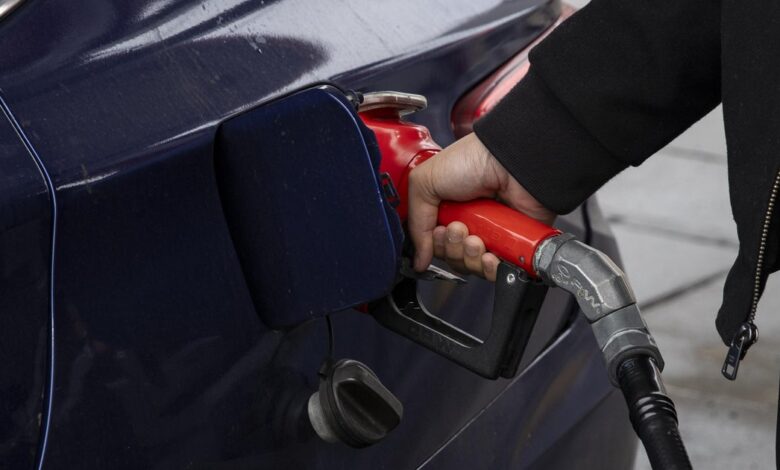
The ongoing Iran war is having a significant impact on gas prices in the United States, with consumers now facing an average increase of 26 cents per gallon compared to just a week ago. According to data from GasBuddy, the average price of gasoline currently stands at $3.246 per gallon, marking the highest level since April 2025. This sudden surge in prices is described as an “unusually strong weekly climb” by Patrick De Haan, a petroleum expert at GasBuddy.
This upward trend is mirrored in data from AAA, which also shows gasoline prices hovering around the same level. In addition, diesel prices have seen a significant increase, rising by 40 cents over the past week, as reported by GasBuddy.
After experiencing a decline for several months, gas prices briefly dipped below $3 in December, only to rise again amid escalating tensions between the U.S. and Iran. The conflict has led to a series of attacks and disruptions in the Middle East, causing oil prices to creep up and further exacerbating the situation.
De Haan predicts that gasoline prices could rise by another 10 to 15 cents per gallon in the coming week, although the pace of price hikes is expected to slow down afterwards. However, diesel prices may take longer to stabilize due to tighter inventory levels. The average price of diesel has already reached $4.124 per gallon this week, the highest level since December 2023.
The primary reason behind the sharp increase in prices is the impact of the Iran war on global oil supply. Shipments through the crucial Strait of Hormuz have been disrupted, while retaliatory attacks in the region have affected oil production. The U.S. is now facing a loss of approximately 20 million barrels of oil supply per day due to the slowdown in shipping through the strait.
In response to these challenges, President Trump has enlisted the U.S. International Development Finance Corporation to provide insurance for ships sailing through the Persian Gulf in order to minimize further disruptions. Meanwhile, Brent crude, the international standard, has risen to $84.42 per barrel, with U.S. crude also experiencing a significant increase to $78.70 a barrel.
Drone attacks on a Saudi refinery and Qatar’s decision to halt natural gas production have also contributed to the rise in diesel costs. These factors, along with seasonal demand increases, have further pushed prices upwards. Despite these challenges, De Haan reassures that the pace of price hikes should eventually moderate, offering some relief to consumers in the near future.