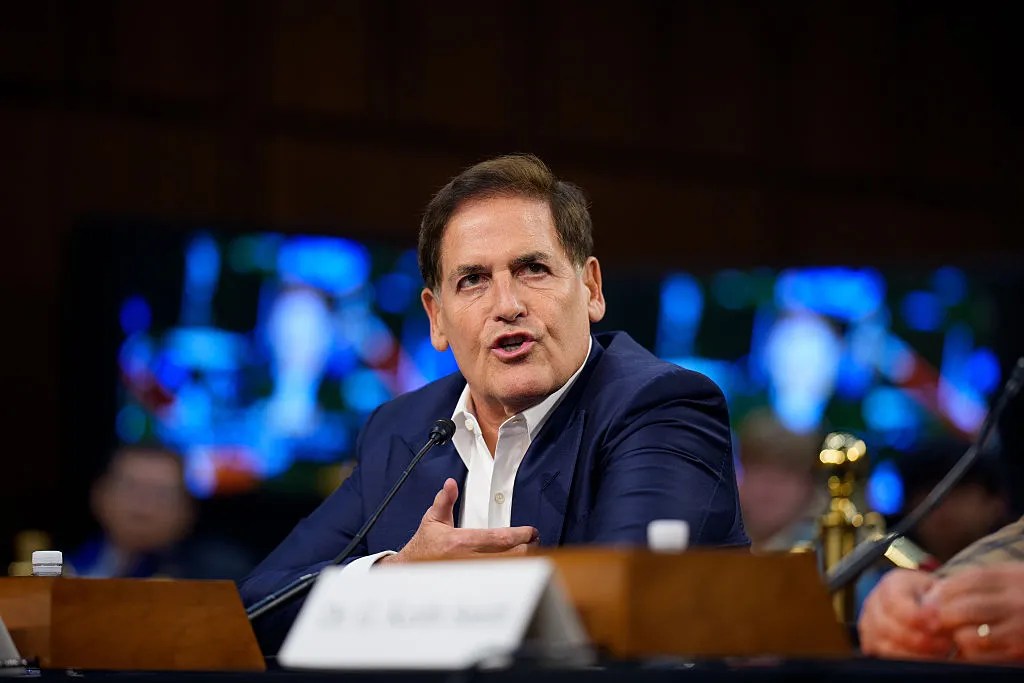
General Motors CEO Mary Barra on adjusting to “few-billion-dollar impact” of tariffs on business

The automotive industry is currently facing a myriad of challenges, from rising costs to shifting tariff policies and the emergence of the electric vehicle market. As General Motors settles into its new Detroit headquarters, CEO Mary Barra remains optimistic about the future of the company and the U.S. economy.
Barra acknowledges that the market for electric vehicles in the U.S. has not yet taken off as expected. Despite this, GM is still committed to EVs, with Barra noting that one major issue is that the industry has been ahead of consumer demand. However, she believes that as charging infrastructure improves and battery costs decrease, consumers will increasingly choose electric vehicles due to their superior performance.
When asked about the U.S.’s inability to compete with China in producing affordable electric vehicles, Barra asserts that GM is up to the challenge. She points out that U.S. safety standards and regulatory requirements are higher than those in China, and that China’s auto industry is heavily subsidized. Barra believes that GM can produce better vehicles and compete effectively in the market.
The cost of new vehicles has been steadily increasing, exacerbated by the Trump administration’s tariff policies. Barra acknowledges the impact of these tariffs on GM but also praises the administration for leveling the playing field for U.S. manufacturers. She notes that GM has made adjustments to adapt to the changing landscape and is optimistic about the future.
Despite consumer pessimism and uncertain economic conditions, Barra remains confident in GM’s resilience. She highlights the company’s commitment to American manufacturing, with over half of GM’s vehicles assembled in the U.S. and a majority of components sourced domestically. GM also prioritizes job creation and training programs for military veterans and apprentices.
Addressing concerns about automation and job displacement, Barra emphasizes GM’s focus on safety, ergonomics, and efficiency in its manufacturing processes. Automation is used where necessary for precision and to alleviate repetitive or hazardous tasks. Overall, GM is dedicated to innovation, sustainability, and maintaining a strong presence in the American automotive industry.
In conclusion, GM under the leadership of Mary Barra is navigating through a complex and challenging landscape in the automotive industry. With a focus on electric vehicles, American manufacturing, and workforce development, GM is poised to thrive in the ever-evolving market. As the industry continues to evolve, GM remains committed to innovation, quality, and sustainability.