Generics Must Compete On Price, Not Safety
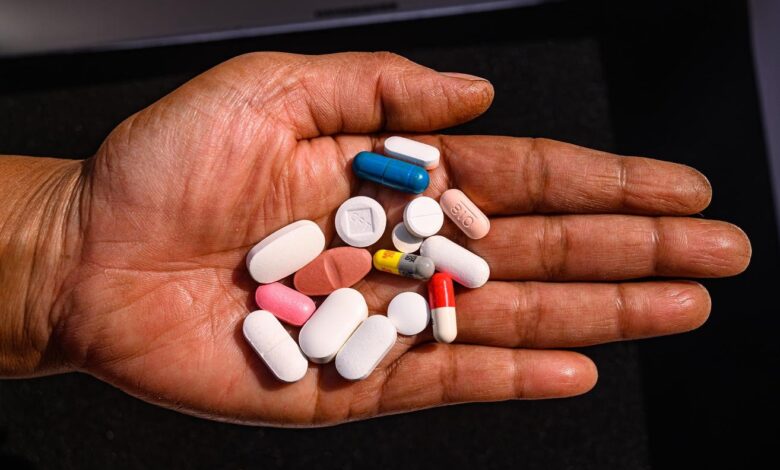
The generic drug market in America has been hailed as a success story in health policy. With 91% of prescriptions in the U.S. being filled with generics, patients and taxpayers are saving billions of dollars each year. This dominance of generics not only drives cost savings but also fosters innovation in the pharmaceutical industry. The limited market exclusivity of new treatments pushes drugmakers to continue inventing rather than relying on old pharmaceuticals.
The foundation of the generic drug market lies in the principle that generics must compete on price without compromising quality or safety. Generics are required to be clinically equivalent to their branded counterparts, matching on various criteria such as active ingredient, dosage, therapeutic effect, and safety. The Hatch-Waxman Act of 1984 solidified this principle, making the U.S. generic market the strongest and most affordable in the world.
However, recent actions by the FDA are putting this trust at risk. The FDA has issued new draft rules on aluminum contamination in certain injectable drug products used in intravenous nutrition for premature babies. Excessive aluminum exposure can have detrimental effects on bone growth and brain development in these fragile newborns. The new guidance relaxes limits on aluminum exposure, allowing for higher levels of the metal in these products. This shift in policy could lead to products with unsafe levels of aluminum being introduced to the market.
The FDA’s justification for these changes is to prevent shortages, but the real causes of shortages are thin profit margins and poor manufacturing practices, not stringent safety standards. Lowering safety standards could drive responsible producers out of the market and put vulnerable infants at risk. Furthermore, rewarding companies that cut corners instead of those that invest in cleaner production methods sets a dangerous precedent.
If the FDA continues to weaken safety standards in this area, it raises concerns about the integrity of the entire generic drug system. Maintaining the bright line established by the Hatch-Waxman Act, where generics must match the original drug in safety and effectiveness, is crucial for preserving public trust in the system. The FDA must prioritize the safety of vulnerable infants and withdraw this misguided guidance before it undermines the trust that is essential for the success of the generic drug market.