Georgia squatter claims ‘peaceful hostile takeover’ of home as US states move to strengthen owner protections
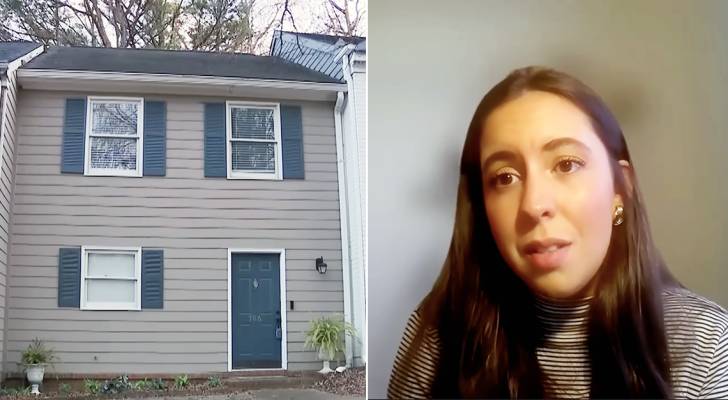
Adriana Ward had expected the process of selling her Marietta, GA, home to be stressful, but nothing could have prepared her for what she discovered. When her realtor arrived for a scheduled showing, they immediately noticed something was amiss. The lockbox was missing, the For Sale sign had disappeared, and upon Ward’s arrival, she realized that the windows were shut and the deadbolt had been changed. It was evident that someone had taken over her home without permission.
The man who answered the door when police arrived claimed that he lived there. Timothy Pyron had settled into Ward’s vacant home and asserted that Georgia’s squatter laws protected him from being removed. He described the situation as a “peaceful hostile takeover,” leaving Ward shocked and helpless.
Cases like Ward’s are becoming increasingly common as an estimated 5.6 million properties across the 50 largest U.S. metro areas remain vacant, providing opportunities for unauthorized occupants to exploit homeowner protections. In response to these incidents, Georgia passed House Bill 1017 in 2024, making unauthorized occupancy a criminal offense and allowing law enforcement to issue notices for occupants to leave within three days if they fail to comply.
Governor Kemp expressed outrage at the situation, stating that illegal squatters are criminals, not residents. However, removing unauthorized occupants from a vacant property can still be a challenging and costly process for homeowners. It often involves confirming the individual’s unlawful occupation, serving written notices, and potentially filing eviction lawsuits, leading to significant financial burdens.
Ward’s ordeal exposed the gaps in how squatting is handled, even in states with strengthened owner protections. Despite the damage caused by the unauthorized occupant, the man was only charged with criminal damage, leaving Ward to deal with the aftermath of trash, pet odors, and marijuana smells in her home.
To prevent such incidents, homeowners with vacant properties are advised to take preventive measures such as installing cameras, checking the property regularly, removing lockboxes, and documenting the property’s condition with photos. Legislators across the U.S. have been working to tighten squatter laws, with states like Florida and New York enacting measures to protect property owners from unauthorized occupants.
Real estate investors can also explore alternative investment opportunities to benefit from the real estate market without the risks of owning vacant properties. Platforms like Arrived offer SEC-qualified investments in rental homes and vacation rentals, allowing investors to access real estate opportunities with as little as $100.
For those interested in multifamily rentals, platforms like Lightstone DIRECT provide direct access to institutional-quality multifamily opportunities with minimum investments starting at $100,000. These platforms eliminate intermediaries and offer transparent investment opportunities alongside experienced professionals.
Additionally, Homeshares offers accredited investors access to Home Equity Agreements (HEAs), allowing them to participate in the appreciation of owner-occupied homes without the responsibilities of traditional landlords. HEAs provide built-in protection and attractive returns, making them a viable option for investors looking to diversify their real estate portfolios.
With the real estate market booming and homeowners sitting on trillions of dollars in home equity, investors have a range of opportunities to explore without the risks associated with owning vacant properties. By leveraging innovative investment platforms and alternative real estate opportunities, investors can capitalize on the market’s growth while mitigating the risks of traditional property ownership.