Global growth forecast upgraded by OECD
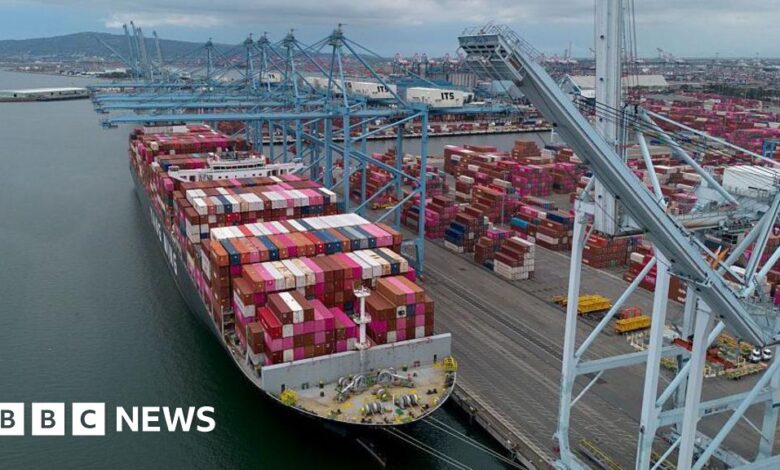
The global economy is set to experience stronger growth this year than previously anticipated, according to the Organization for Economic Co-operation and Development (OECD). The OECD has revised its global forecast to 3.2%, up from the 2.9% it had predicted in June. This upward revision is attributed to the resilience of growth in the first half of the year, driven in part by firms front-loading activities to beat new US tariffs.
However, the OECD has cautioned that growth is expected to slow in the second half of the year as the impact of higher tariffs takes effect. Despite this warning, the OECD has increased its growth forecast for the UK to 1.4% for this year, up from the previous estimate of 1.3%.
Chancellor Rachel Reeves welcomed the OECD’s forecast, stating that it confirms the strength of the British economy, which has been the fastest growing among G7 countries in the first half of the year. However, the OECD projects that UK growth will slow to 1% next year due to a tighter fiscal stance, increased trade costs, and uncertainty.
To address the slowdown in growth, Reeves is expected to implement measures such as tax increases or spending cuts in the upcoming Budget in November. The UK inflation rate forecast for this year has been raised to 3.5%, with sharp rises in food prices being a contributing factor.
In the US, strong investment in technology areas like Artificial Intelligence (AI) has bolstered growth, leading the OECD to raise its growth forecast for the US to 1.8% for this year. However, the impact of US tariffs imposed by President Donald Trump continues to weigh on global growth prospects. The OECD noted that US tariff rates have increased on almost all countries since May, reaching the highest level since 1933.
While Trump argues that tariffs will benefit US manufacturing and jobs, economists have warned that they will result in higher prices for US consumers. The OECD highlighted that the full impact of the tariffs is yet to be seen, but signs of its effects are emerging in spending choices, labor markets, and consumer prices.
Overall, the OECD anticipates a noticeable softening of growth in the second half of the year as front-loading activities unwind and higher tariff rates dampen investment and trade growth. The global economy faces challenges ahead, but with strategic policy adjustments, countries can navigate these obstacles and sustain growth.