Gold prices just reached a record high. Here’s what’s behind the surge.
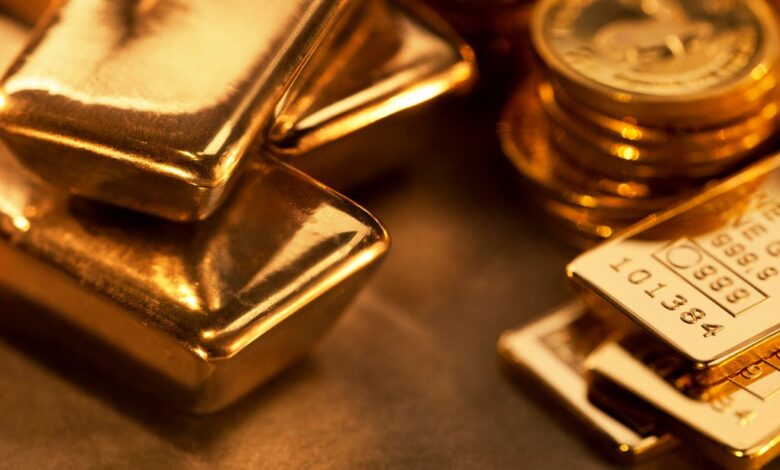
Gold prices reached a new all-time high on Monday, surpassing $4,400 per ounce, driven by a combination of rising geopolitical tensions and softer monetary policy. The price of gold continued to climb throughout the day, hitting a peak of $4,475 per ounce by 4 p.m. EDT. Since the beginning of the year, gold has surged by more than 70%, making it a popular safe-haven investment and a hedge against inflation.
According to Bret Kenwell, a U.S. investment and options analyst at eToro, the strong performance of the metals market, particularly gold, can be attributed to its solid fundamentals. Despite reaching all-time highs, gold has managed to maintain its rally and attract investors looking for stability in uncertain times.
Silver prices also experienced a significant rally on Monday, reaching $69 per ounce by the end of the trading day. Silver has seen a remarkable 130% increase since the start of the year, aligning with the upward trend in the precious metals market.
Analysts predict that both gold and silver are on track to achieve all-time closing highs, fueled by a positive outlook in the stock market, especially with tech gains driving overall performance.
One of the key factors driving the surge in gold prices is the influx of investors moving their money into the precious metal due to various geopolitical factors. Bond yields have been increasing globally while major currencies like the yen have weakened, prompting a renewed interest in the “debasement trade” strategy of shifting funds from fiat currencies to hard assets like gold.
Additionally, geopolitical risks such as the U.S. blockade of oil supplies from Venezuela and Ukraine’s recent actions in the Mediterranean have further incentivized investors to turn to gold as a safe investment option.
The softer monetary policy, including three consecutive rate cuts from the Federal Reserve, has also contributed to the upward trend in gold prices. With expectations of continued easing of monetary policy in the coming year and the potential appointment of a new central bank chief, investors are more optimistic about the future of gold as an investment.
Central banks in various countries are also increasing their gold holdings, further boosting the demand for the precious metal. According to the World Gold Council, central bank gold purchases have seen a significant uptick in recent months, indicating a growing interest in gold as a valuable asset.
Looking ahead to 2026, some analysts predict a potential decline in gold prices, with Capital Economics forecasting a drop to $3,500 by the end of next year. However, others remain optimistic about the future of precious metals, citing lower interest rates and a weakening U.S. dollar as factors that could continue to support gold and silver prices in the coming year.
Overall, the outlook for gold and silver remains positive, with many experts believing that the metals market is in the early stages of a broader rally. Despite some uncertainties, the appeal of precious metals as a safe investment option continues to attract investors looking for stability and growth opportunities.