GOP Rep. McCaul says a US invasion of Greenland would mean ‘war with NATO itself’
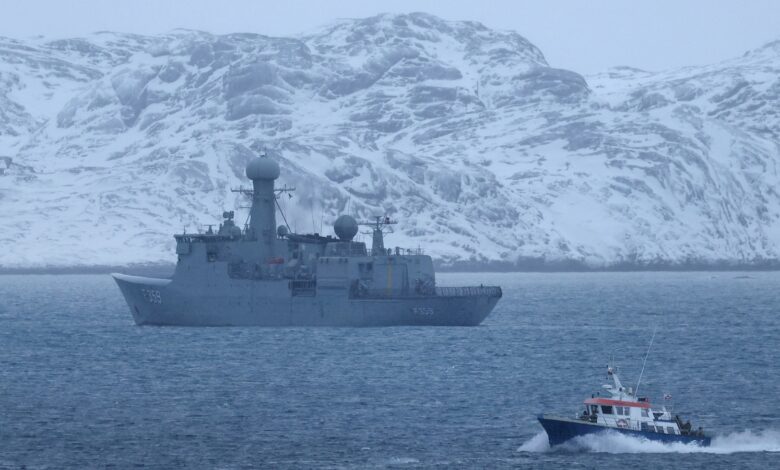
Republican Representative Michael McCaul expressed concerns about the potential consequences of any U.S. military intervention to acquire Greenland, warning that it could strain relations with NATO allies and potentially lead to the collapse of the alliance. McCaul emphasized that while Greenland holds strategic importance and previous administrations have considered acquiring the territory, the U.S. already has a treaty in place that grants full access to protect Greenland, making a military invasion unnecessary.
During an interview on “This Week,” McCaul addressed President Trump’s interest in Greenland and his recent imposition of tariffs on European allies. He stressed that military invasion would not only violate existing agreements but also jeopardize the unity of NATO. McCaul stated, “If we want to increase our military presence in Greenland, we have the option to do so without resorting to invasion. Purchasing Greenland is one thing, but using military force would disrupt the foundation of NATO.”
Democratic Senator Chris Van Hollen echoed McCaul’s sentiments, accusing President Trump of pursuing Greenland for its resources rather than legitimate security concerns. Van Hollen highlighted that both Denmark and Greenland have already granted the U.S. access to safeguard national security interests. He emphasized the need for Congress to take action to prevent any unilateral military action by the President, suggesting the implementation of the War Powers Resolution to restrict funds for military purposes related to Greenland.
Van Hollen also criticized the President’s approach to the ongoing protests in Iran, cautioning against the use of American military force to impose democracy in the region. He advocated for supporting the Iranian protesters while rejecting the notion of military intervention to overthrow the regime. Van Hollen emphasized the importance of diplomatic and non-military measures in addressing international conflicts.
As discussions surrounding Greenland and Iran continue to unfold, lawmakers are facing mounting pressure to uphold constitutional checks and balances on executive power. The debate over military intervention underscores the delicate balance between national security interests and diplomatic relations with key allies. It remains to be seen how Congress will navigate these complex foreign policy challenges in the coming weeks.