Government shutdowns usually have little economic impact. This time could be different
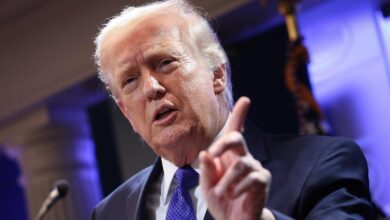
The threat of a government shutdown has always been a contentious issue in politics, but historically it has not had a significant impact on the economy or the markets. However, the current situation may be different due to President Donald Trump’s warning that some federal government furloughs resulting from the shutdown could become permanent, potentially affecting an already fragile employment landscape.
In the past, government shutdowns have been more about political posturing than economic consequences. While markets have experienced brief sell-offs, they have quickly rebounded. Economists estimate that the impact on GDP is minimal, usually around 0.1 percentage point for each week of shutdown. The economic losses are usually recovered in the following quarters.
The real concern this time lies in the labor market, which has been struggling. The Washington, D.C. region, home to a large number of federal government employees, has already faced layoffs earlier this year. If Trump follows through on his threat to make furloughs permanent, it could have a significant impact on the October nonfarm payrolls report, which would be released in November.
Another issue that could arise from a prolonged shutdown is the delay in key economic data releases. The Bureau of Labor Statistics, responsible for releasing important economic reports like the monthly jobs count, would be closed during the shutdown. This could affect Social Security recipients waiting for the consumer price index inflation reading for cost-of-living adjustments and could also impact the Federal Reserve’s decision-making process regarding interest rates.
While most analysts believe that the economic impact of a shutdown will be relatively mild, there is concern about the immediate effects on furloughed federal employees and contractors. Financial stability could be significantly affected for households that are forced to go without income, even for a short period.
In conclusion, while government shutdowns have historically had little long-term impact on the economy, the current situation could be different due to the potential for permanent furloughs and delays in key economic data releases. It is important to monitor the situation closely and be prepared for any potential economic ramifications that may arise.