Grocery Prices Are Cooling, but Some Foods Cost More in 2026
After years of steady increases, grocery prices are finally expected to stabilize in 2026, with food-at-home inflation dropping below the average. The U.S. Department of Agriculture forecasts a 1.7% rise in grocery prices this year, a decrease from 2.3% in 2025 and below the 20-year average of 2.6%. This news comes as a relief for consumers who have seen their grocery bills climb by over 25% in the past five years.
The drop in prices is largely attributed to falling costs for eggs and dairy products, which are projected to decrease by 22.2% and 0.9%, respectively. However, not all food items are seeing a decrease in prices. Certain categories are experiencing higher-than-average price hikes.
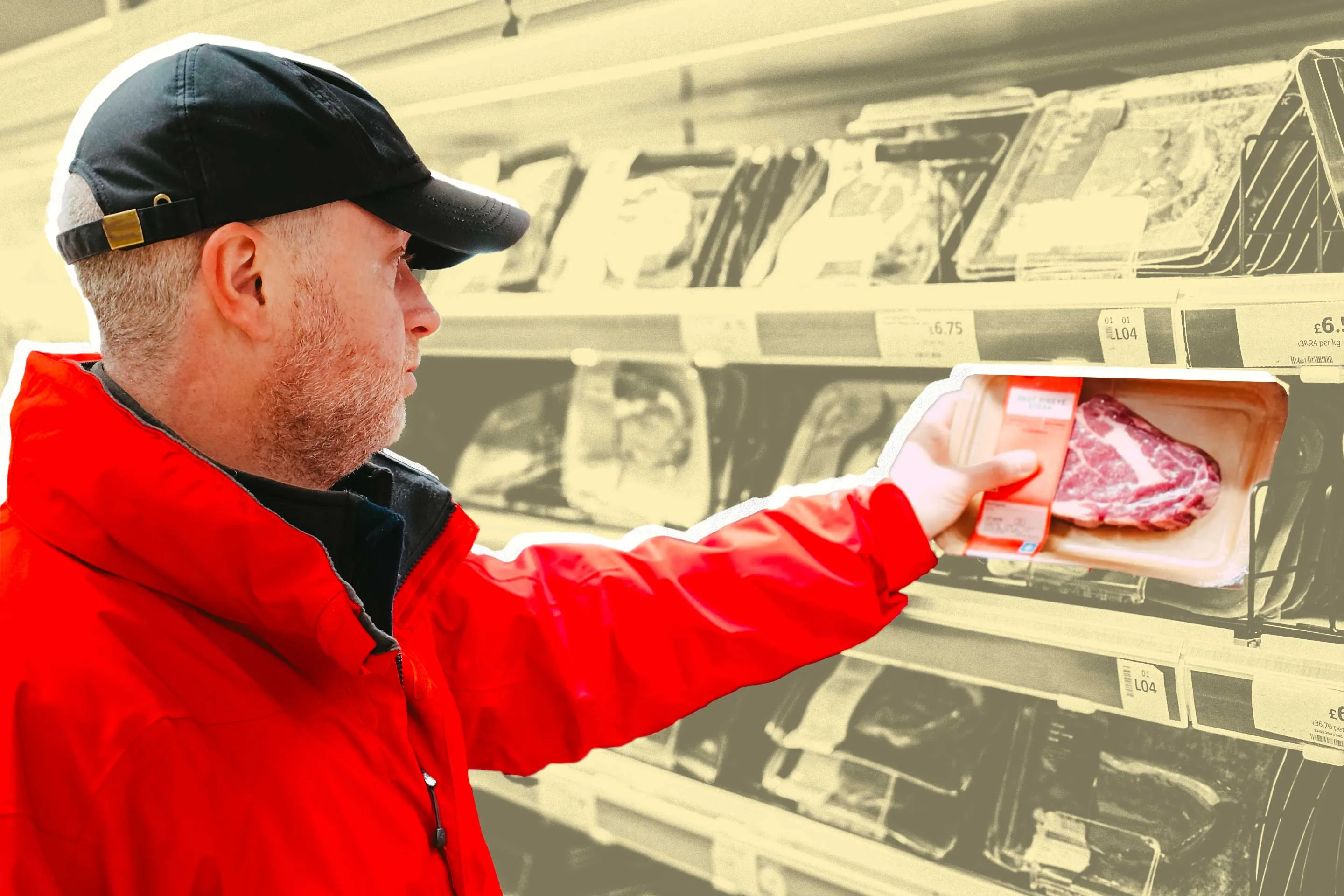
Red meats, including beef, veal, processed meats, and hot dogs, are expected to see a 4.3% increase in prices in 2026, higher than the average of 3.1%. Beef prices, in particular, are forecasted to surge by 9.4% due to factors such as droughts, high interest rates, and shrinking herds.
Sugars and sweets are also set for significant price hikes, with a 6.7% increase projected for items like candy, cookies, and desserts. Climate-change induced droughts affecting sugar production overseas and U.S. trade policies limiting sugar imports are driving up prices in this category.
Non-alcoholic beverages, including juices, coffee, teas, and sodas, are expected to become more expensive as well, with a 4.2% price increase forecasted for 2026. This is higher than the historical average of 2.4%.
Overall, prices for other food categories, such as condiments, spices, sauces, snacks, and bakery products, are estimated to rise by 3.1% this year, exceeding last year’s increase of 0.9% and the historical average of 2.4%. Despite these increases, PepsiCo has announced price cuts of up to 15% on many snacks to provide relief to consumers.
In conclusion, while grocery prices are expected to stabilize in 2026, certain food categories will see higher-than-average price hikes. Consumers may need to be mindful of these increases when planning their grocery budgets for the year.