Gulf markets end higher Iran strike
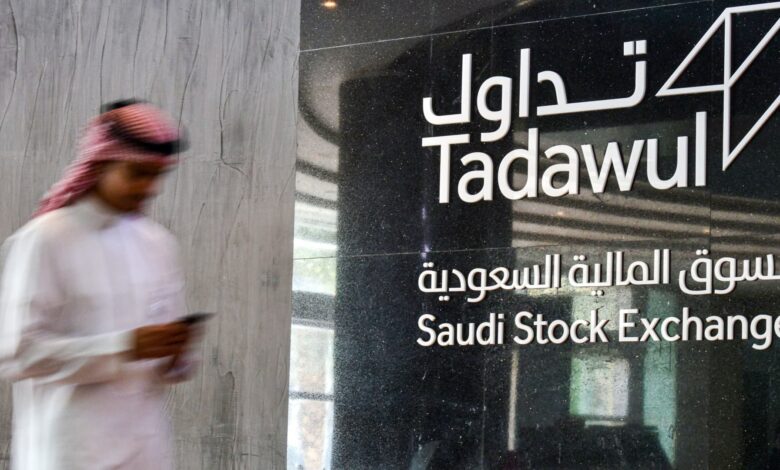
This image taken on December 12, 2019, depicts the Saudi Arabia’s Stock Exchange Market (Tadawul) logo in Riyadh.
FAYEZ NURELDINE | AFP | Getty Images
Markets in the Middle East mostly closed higher on Sunday following the U.S. intervention in the conflict between Israel and Iran, targeting three crucial Iranian nuclear sites. Stocks in Tel Aviv reached record highs with optimism that U.S. involvement could lead to a resolution, despite Iran’s Foreign Minister’s stance against diplomacy amid attacks.
In Israel, the broader TA-125 index rose by 1.77% while the TA-35 blue-chip index was up by 1.5%. Equities in Israel surged after recent strikes on Iran.
In the Gulf region, Saudi Arabia’s Tadawul initially opened higher but closed down by 0.3%. Qatar and Bahrain’s indexes showed slight gains. Bahrain implemented a “work from home mandate” to ensure public safety.
Egypt’s EGX30 index recorded the highest increase in the region, closing 2.7% higher.
Fadi Arbid, CIO of Amwal Capital Partners, noted that Gulf nations advocating for peace have shielded themselves from conflict, minimizing market impact. The removal of Iranian threat could have a positive impact on international investors.
Recent statements from Saudi Arabia, UAE, and Qatar emphasize the need for de-escalation in the region amid the Israel-Iran conflict.
Strait of Hormuz Disruption
Investors are closely monitoring the oil market for potential disruptions following U.S. strikes on Iran. The Strait of Hormuz, a critical oil shipping route, remains open for now.
Oil prices are expected to rise with increased geopolitical risk. Uncertainty surrounding the conflict’s evolution may lead to volatile oil prices in the near term.
Prices are anticipated to increase after the U.S. intervention in Iran. The market is likely to factor in elevated security risks affecting oil supply.