H-1B visa lottery system being replaced as DHS prioritizes skilled, higher-paid foreign workers
The Department of Homeland Security announced on Tuesday that it will be implementing a new approach to the H-1B work visa program, replacing the existing lottery system with a prioritization of skilled, higher-paid foreign workers. This move comes as part of a series of actions by the Trump administration to reshape the visa program, which has been criticized for allowing overseas workers to come to the U.S. and work for lower wages.
According to U.S. Citizenship and Immigration Services spokesman Matthew Tragesser, the current random selection process for H-1B registrations has been exploited by U.S. employers looking to import foreign workers at lower wages than they would pay American workers. In response to this, President Trump signed a proclamation earlier this year imposing a $100,000 annual fee on highly skilled H-1B workers, which has been upheld by at least one federal judge.
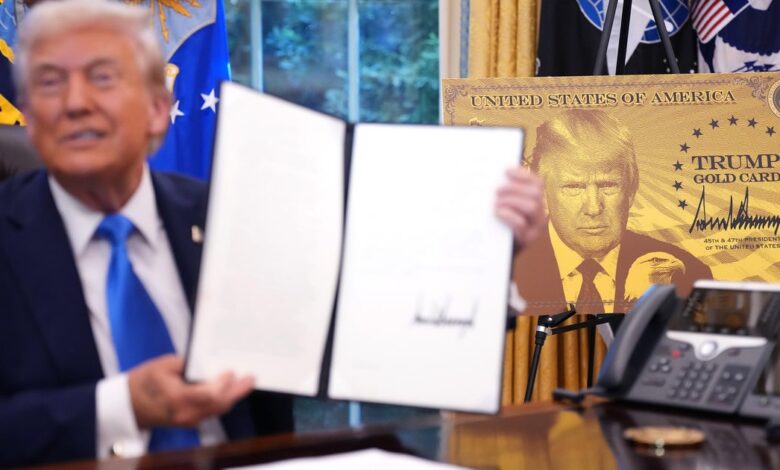
In addition to the fee, the president also introduced a $1 million “gold card” visa as a pathway to U.S. citizenship for wealthy individuals. The new rule, which will go into effect on February 27, 2026, aims to prioritize higher-skilled and higher-paid foreign workers in the allocation of H-1B visas.
Historically, H-1B visas have been awarded through a lottery system, with Amazon being the top recipient this year, followed by Tata Consultancy Services, Microsoft, Apple, and Google. The new weighted selection process is intended to increase the probability of visas being allocated to more skilled and higher-paid workers.
Supporters of the H-1B program argue that it is essential for hiring healthcare workers and educators, driving innovation and economic growth in the U.S. Critics, however, claim that the visas often go to entry-level positions rather than senior roles requiring specialized skills, leading to wage suppression and the displacement of American workers.
The H-1B program has an annual cap of 65,000 visas, with an additional 20,000 reserved for individuals with a master’s degree or higher. The new system aims to address concerns about the program and ensure that visas are allocated to those who truly possess the skills and qualifications needed for specialized fields.
Overall, the changes to the H-1B program reflect the administration’s efforts to ensure that the visa program serves the best interests of the U.S. economy and workforce. The new approach will help to prioritize skilled foreign workers who can contribute to innovation and growth while protecting American workers from unfair competition.