Here are the five big takeaways from Wednesday’s Fed rate decision
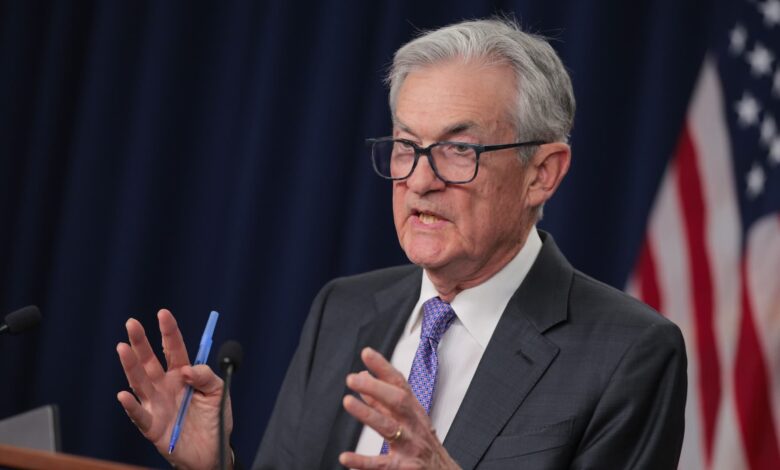
The Federal Reserve made a significant decision on Wednesday by approving a quarter percentage point interest rate cut. The meeting was filled with intrigue and surprises, and here are five key takeaways from the event:
1. The rate cut was somewhat hawkish – Wall Street had been expecting the Fed to proceed with caution and signal that additional easing would be challenging. Despite this, the markets reacted positively, with stocks posting solid gains and Treasury yields falling.
2. The vote was not unanimous – While the decision was supported by a 9-3 vote, it is important to note that three members dissented, marking the most dissents since September 2019. One unexpected dissent came from Chicago Fed President Austan Goolsbee, while Governor Stephen Miran advocated for a half-point cut. Overall, six out of the 19 participants expressed reservations about the cut, indicating differing opinions within the committee.
3. The “dot plot” remained stable – The individual rate projections of committee members for the coming years showed minimal changes, with the median indicating only one cut in 2026 and another in 2027. While the market interpreted this as a signal of minimal future rate cuts, futures pricing suggested a 38% chance of two cuts next year.
4. Bond buying is back – The Fed announced that it would resume buying short-term bills to stabilize markets and maintain the fed funds rate within its designated range. This move was seen as a form of easing that could benefit risk assets in the market.
5. Chair Jerome Powell and the committee are optimistic about economic growth – Powell emphasized the strength of the economy, stating, “We have an extraordinary economy.” The committee also raised its GDP growth outlook for 2026 by half a percentage point to 2.3%.
In terms of reactions from experts in the field, Rick Rieder from BlackRock believes that the Fed is likely to remain on hold for some time due to the lack of consensus within the committee. On the other hand, Bill Adams from Comerica Bank suggests that the Fed’s guidance may not accurately reflect future rate cuts, especially after Powell’s term ends in May. Joseph Brusuelas from RSM highlights the potential impact of increased growth expectations and tax policies on future monetary policy decisions.
Overall, the Fed’s decision to cut interest rates has generated mixed reactions, and it will be interesting to see how the economy responds in the coming months.