Higher U.S. tariffs will extend uncertainty for businesses, experts say. Here’s why.
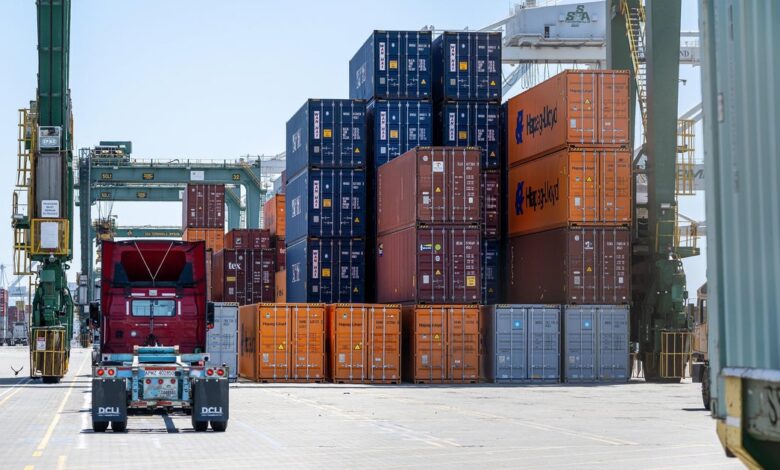
President Trump’s recent executive order to increase tariffs on U.S. imports has stirred up concerns among trade experts and businesses alike. The move, which aims to address what the president deems as unfair trading practices and boost American manufacturing, could have a significant impact on consumer prices and business operations.
Barry Appleton, co-director of the New York Law School Center for International Law, highlighted the uncertainty surrounding the implementation of the new tariff rates outlined by the White House. With details still unclear, businesses are left grappling with unanswered questions and navigating a complex trade landscape akin to a “gigantic Rubik’s Cube.” This lack of clarity prolongs the prevailing uncertainty in the market, hampering businesses’ ability to plan and make informed decisions.
The new import duties imposed by the Trump administration will affect a wide range of goods, with most countries facing a baseline tariff of at least 15% and some nations facing levies exceeding 40%. The U.S. effective tariff rate now stands at 17%, the highest in decades according to Fitch Ratings. Economists predict that this could lead to increased prices for various products, including garments from Vietnam, shoes and toys from China, chocolate from Switzerland, and coffee from Brazil. The National Taxpayers Union estimates that these revised tariffs could cost Americans an average of $2,048 per year.
While President Trump asserts that his tariff strategy will benefit American workers and manufacturers, many economists caution that tariffs could lead to higher inflation and slower economic growth. The initial trade moves made by the administration have already rattled financial markets, further underscoring the potential risks associated with protectionist trade policies.
Despite the administration’s claims of fostering new market access for American exporters and creating manufacturing jobs, concerns persist regarding the impact of tariffs on consumer prices and product availability. Household appliances, furniture, cars, clothing, sports equipment, toys, and cleaning products are among the goods likely to see price hikes due to the increased tariffs. As businesses grapple with rising costs and supply chain disruptions, consumers may face reduced product choices and higher prices at the checkout.
As businesses adjust to the new tariff landscape, supply-chain delays and cost hikes are expected to peak in the second half of the year. Rodney Manzo, a supply-chain expert at Sage, emphasized that higher tariffs can have broader implications beyond price increases, leading to fewer options, smaller quantities, and less generous promotions for consumers. With the trade environment evolving rapidly, businesses and consumers alike will need to navigate these challenges and adapt to a changing economic landscape. In today’s competitive business landscape, companies are constantly looking for ways to maximize profits and hit their margin targets. One strategy that some companies are quietly implementing is reducing their stockpiles, reworking product specifications, or even stripping out expensive components in order to cut costs and improve their bottom line.
By reducing stockpiles, companies are able to free up capital that would otherwise be tied up in excess inventory. This allows them to invest in other areas of their business or simply improve their cash flow. Reworking product specifications can also help companies reduce production costs without sacrificing quality. By optimizing the design and materials used in their products, companies can lower their manufacturing expenses and increase their profit margins.
Stripping out expensive components is another tactic that companies are using to hit their margin targets. By identifying and eliminating unnecessary features or materials in their products, companies can reduce production costs and offer more competitive pricing to consumers. This not only helps companies improve their profit margins but also makes their products more attractive to price-sensitive customers.
While these strategies may go unnoticed by consumers, they play a crucial role in the success of businesses across various industries. By constantly evaluating and optimizing their operations, companies can stay ahead of the competition and achieve their financial goals. As the business landscape continues to evolve, companies will need to adapt and innovate in order to thrive in an increasingly competitive market.