Higher ultra processed food intake linked to increased lung cancer risk
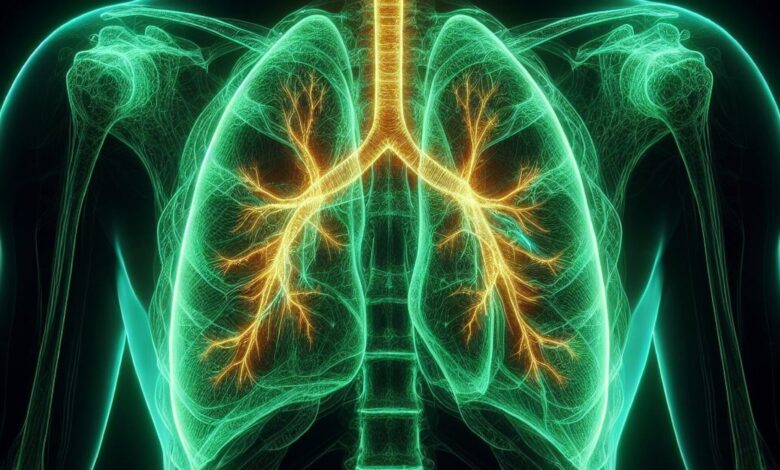
A recent study published in the journal Thorax suggests that a higher intake of ultra-processed food (UPF) is associated with an increased risk of lung cancer. The researchers found that limiting the consumption of these foods may help reduce the global burden of the disease.
Lung cancer is the most common cancer worldwide, with millions of new cases and deaths every year. Ultra-processed foods undergo multiple processing steps, contain additives and preservatives, and are typically ready-to-eat or heat. High consumption of UPF has been linked to various health conditions, prompting the researchers to investigate its potential impact on lung cancer.
The study analyzed data from the US Prostate, Lung, Colorectal, and Ovarian (PLCO) Cancer Screening Trials, involving over 100,000 participants aged 55-74. Participants completed a Food Frequency questionnaire to report their dietary habits, which classified foods into different categories, including ultra-processed.
The researchers focused on specific UPF items such as sour cream, ice cream, fried foods, bread, snacks, breakfast cereals, soft drinks, and fast food. They found that higher UPF consumption was associated with an increased risk of lung cancer, particularly non-small cell lung cancer (NSCLC) and small cell lung cancer (SCLC).
While the study was observational and could not establish causation, the researchers emphasized the low nutritional value and high levels of sugar, salt, and fats in UPF. They highlighted the potential role of UPF in driving global increases in obesity, cardiovascular disease, and cancer.
The study also suggested that a high intake of UPF may displace healthier foods like whole grains, fruits, and vegetables, which are known to protect against cancer. Processing methods can alter nutrient availability and generate harmful contaminants, contributing to the increased risk of lung cancer.
The researchers concluded that further research is needed to confirm these findings in different populations and settings. If causality is established, reducing UPF intake globally could help decrease the burden of lung cancer. The study was published in Thorax and provides valuable insights into the potential link between ultra-processed food consumption and lung cancer risk.