Holiday spending and export demand drive China’s early year economic momentum
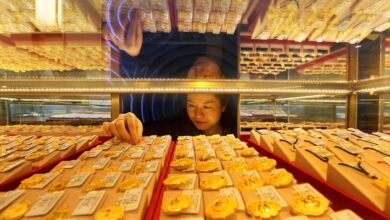
China’s economy has shown resilience and strength at the start of this year, surpassing expectations in both consumption and production. Retail sales in the first two months saw a 2.8% increase compared to the same period last year, outperforming economists’ projections of 2.5% growth. This growth was primarily attributed to the Lunar New Year holiday in mid-February, which boosted spending on items like tobacco, alcohol, gold, and jewelry.
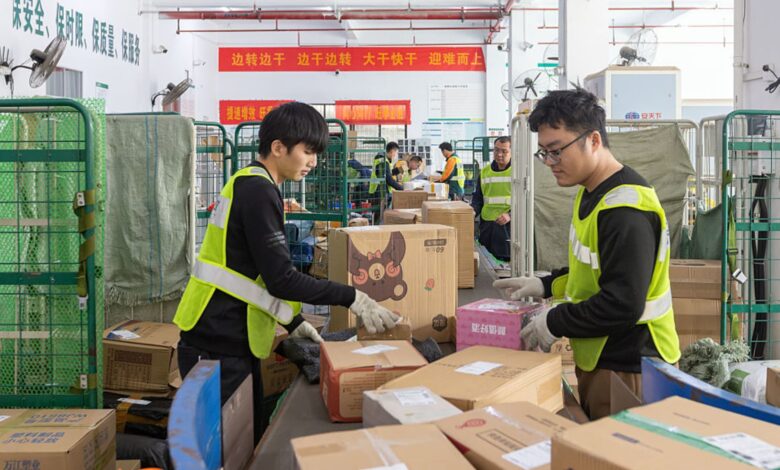
Industrial output also exceeded expectations, with a 6.3% increase, driven by strong external demand, especially from European and Southeast Asian countries. Additionally, China’s exports surged by nearly 22% in the first two months of the year, despite concerns from trade partners about excess capacity.
On the investment front, fixed asset investments, including property, rose by 1.8% year-over-year, contrary to expectations of a 2.1% decline. However, investment in real estate development continued to decline due to the ongoing property crisis, falling by 11.1% in January and February.
Despite the positive economic indicators, Chinese officials acknowledged the challenges posed by geopolitical tensions and underlying issues in the country’s growth model. The Statistics Bureau highlighted the impact of evolving external factors on China’s economy and emphasized the need to closely monitor global oil prices and their potential impact on inflation.
China’s energy supply capacity appears sufficient to handle volatility in oil prices, with strategic reserves totaling 1.2 billion barrels of onshore crude stockpiles as of January. However, disruptions in the Middle East could still pose challenges for the export-reliant economy, impacting energy costs, supply chains, and global trade.
In response to these challenges, Chinese policymakers may adjust fiscal policies if necessary to mitigate the impact on economic growth. Goldman Sachs revised its GDP growth forecast for China, anticipating a slight slowdown due to higher energy costs. The annual economic goals for 2026 set by Chinese leadership reflect a more cautious approach, with a GDP growth target of 4.5% to 5%.
Despite these challenges, China remains a key player in the global economy, with a focus on maintaining stability and sustainable growth in the face of external pressures. The country’s ability to adapt to changing conditions and implement responsive policies will be crucial in navigating the uncertainties ahead.