Households face surprise rise in prices in new year
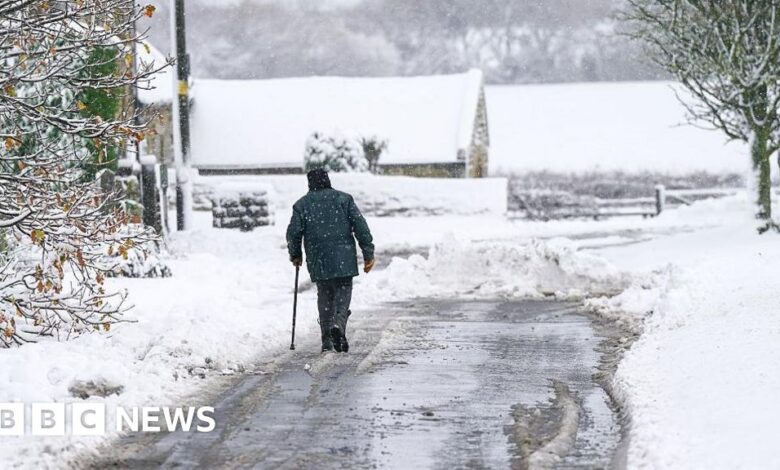
The latest announcement from energy regulator Ofgem has left millions of households bracing for a slight increase in their energy bills as winter sets in. The 0.2% rise in the price cap is set to take effect at the beginning of January, impacting those on variable tariffs in England, Wales, and Scotland. This unexpected increase comes as a surprise, especially after initial forecasts suggested a possible drop in the price cap at the start of the year. Government policies are said to be the primary driving force behind this shift.
With gas and electricity bills already at relatively high levels, the sudden drop in temperature has brought the cost of energy to the forefront of people’s minds. Tim Jarvis from Ofgem pointed out that while wholesale energy costs are stabilizing, they still make up a significant portion of our bills, making us vulnerable to volatile prices. The latest change in prices is primarily driven by rising electricity unit rates, offset by a slight fall in gas rates, resulting in heavier electricity users feeling the biggest impact.
Despite the increase, prices are expected to be slightly lower compared to the same period the previous year. However, Jarvis emphasized that the price cap serves as a safety net, and consumers can take action, such as switching to a fixed tariff, to reduce their bills. Ofgem attributed the price cap change to government policy costs and operating expenses, including funding projects like the Sizewell C nuclear plant, which adds an extra £1 per month to a typical bill.
The price cap sets the maximum price for each unit of gas and electricity, meaning that those who consume more energy will end up paying more. A typical household using 11,500 kWh of gas and 2,700 kWh of electricity annually, with a single bill for both services settled by direct debit, can expect a £3 increase in their annual bill from £1,755 to £1,758. However, the actual change in costs will vary depending on individual usage levels, making it essential for consumers to calculate the percentage change from their usual annual bills.
In addition to the rise in unit rates, standing charges – fixed costs covering network maintenance and government levies – will also see a 2% increase for electricity and a 3% increase for gas. Charities have reported a concerning trend of people accumulating significant levels of unpaid bills and charges, amounting to a record £4.4 billion. Ofgem is considering plans to write off a portion of this debt, potentially reducing the total amount owed by up to £500 million next year.
As households face the prospect of higher bills, energy consultancy Cornwall Insight warns that the main driver of escalating costs will likely be government policies rather than fluctuating wholesale energy prices. With bills expected to rise further in April due to ongoing network maintenance and the transition to net zero, consumers are advised to explore energy-efficient appliances, tailored tariffs, and available benefits to mitigate the impact on their wallets.
In response to the escalating cost of living, the government is reportedly considering additional support measures in the upcoming Budget. One proposed option involves removing VAT from energy bills, which could potentially save consumers around £80 annually. However, experts caution that any form of support will ultimately need to be funded either through bills or taxes, as essential infrastructure investments must continue to ensure a sustainable and secure energy system.
As households navigate these challenging times, implementing practical tips to stay warm while managing costs becomes crucial. From wearing warm clothing indoors to insulating homes and heating specific rooms rather than the entire house, there are various strategies available to help consumers cope with rising energy expenses during the winter months. Stay informed with the latest news by signing up for our newsletter to receive all the headlines you need to start your day.