How AI Is Restoring Voices Lost To Disability
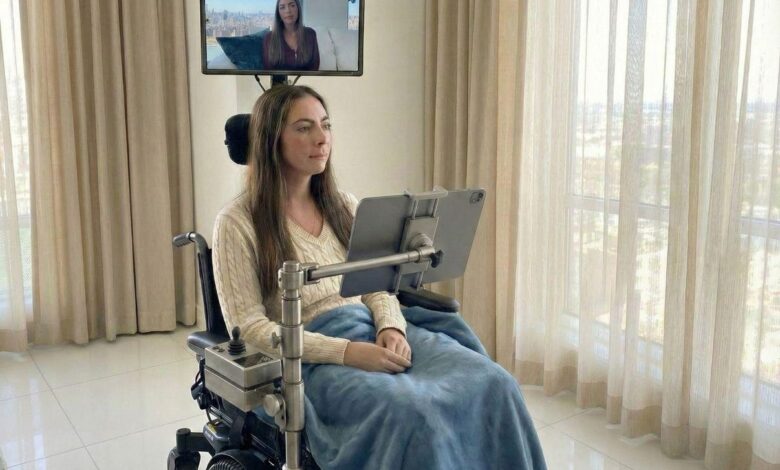
It represents a new layer of accessibility for the digital world that could transform how people interact with technology and each other. As technology continues to evolve at a rapid pace, the need for inclusive design becomes increasingly critical. By prioritizing the needs of individuals with disabilities, companies like the Scott-Morgan Foundation and D-ID are not only improving the lives of millions but also setting a new standard for what technology can and should do.
For Leah Stavenhagen, who was diagnosed with ALS at the age of 26, this new technology represents a lifeline to the world around her. As an ambassador for the Scott-Morgan Foundation, she has seen firsthand the power of expressive AI in restoring agency and dignity to those who have been marginalized by traditional communication methods. Through her work, she has become a vocal advocate for the rights of people with disabilities and a testament to the resilience and strength of the human spirit.
The launch of SMF VoXAI is not just a technological milestone, but a testament to the power of collaboration and innovation in driving positive social change. By leveraging the latest advances in AI and human-centered design, the Scott-Morgan Foundation and D-ID have created a system that empowers individuals to express themselves authentically and connect with others in meaningful ways. This is more than just a tool – it is a symbol of hope and possibility for a more inclusive and compassionate future.
As we look ahead to a world where technology plays an increasingly central role in our lives, it is essential that we prioritize accessibility and inclusivity in all aspects of design. By centering the needs and experiences of individuals with disabilities, we can create a more equitable and just society for all. The launch of SMF VoXAI is a reminder that technology has the power to uplift and empower those who have been marginalized, and that true innovation is driven by empathy and compassion. D-ID’s innovative approach to technology is truly groundbreaking, as it aims to create a general accessibility layer that allows individuals to interact with the digital world in a more natural and seamless manner. Perry envisions this technology as a game-changer for individuals who may find live conversations challenging, such as those recovering from a stroke, living with Parkinson’s, on the autism spectrum, or dealing with social anxiety. Additionally, for individuals with mobility challenges, having a face-to-face agent can greatly reduce the need for physical navigation and make essential tasks easier to complete from anywhere.
At the heart of D-ID’s mission is the belief that when communication technology is patient, expressive, and emotionally clear, more people can participate with confidence. Muller, a user of D-ID’s avatars, has experienced this firsthand, stating that the avatars not only make him visible but also make him present. When someone sees his avatar smile or show concern, they are truly seeing him, not just his disability.
However, while the concept of D-ID’s technology is indeed remarkable, the implementation of such innovations is not always as simple as it may seem. Technology often promises efficiency, but whether it can truly deliver on those promises is a different story altogether. As real-time AI continues to evolve and become more expressive, its true value will be measured not in latency or model size, but in the human moments it helps to restore.
For the millions of individuals living with disabilities, this restoration is not just a technical upgrade; it is the return of something they have been deprived of – the ability to be fully present in their own lives once again. The impact of D-ID’s technology goes far beyond just the realm of technology; it has the power to transform lives and bring back a sense of normalcy to those who have longed for it.
In conclusion, D-ID’s vision for creating a more accessible and inclusive digital world is truly inspiring. By leveraging the power of technology to bridge the gap between individuals with disabilities and the digital realm, D-ID is paving the way for a more inclusive future where everyone can participate and engage with confidence.