How AI Is Transforming Nutrition: Use Cases and Examples
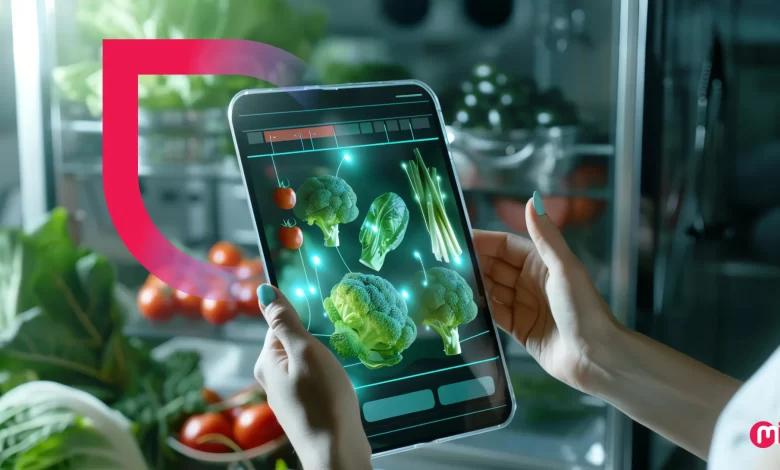
Artificial Intelligence (AI) is revolutionizing the way we approach nutrition and dietetics. From personalized meal plans to real-time calorie tracking, AI is reshaping the landscape of smart nutrition solutions. The global personalized nutrition market is projected to reach $23.3 billion by 2027, showcasing the rapid growth and demand for tech-driven nutrition solutions.
As a decision-maker in the health, wellness, or food tech industry, you might be wondering how AI can help deliver smarter and more scalable nutrition experiences that truly impact user health. AI in nutrition is the answer to this question, as it enables companies to create personalized, predictive, and cost-efficient nutrition tools at scale.
In this article, we will delve into the various use cases of AI in nutrition and provide real-world examples of how companies are leveraging AI to solve real problems and gain a competitive edge.
### Use Cases of AI in Nutrition With Real-World Examples
#### 1. Personalized Nutrition Plans
Personalized nutrition plans are tailored dietary recommendations based on an individual’s unique biological, lifestyle, and behavioral data. AI and machine learning models analyze large datasets to create diets tailored to genetics, gut microbiome, activity levels, health history, and real-time feedback. Platforms like Twin Health offer personalized nutrition plans based on real-time wearable sensor data to achieve various health goals.
#### 2. Conversational AI Assistant/Coach
Conversational AI assistants simulate one-on-one interactions with users, providing coaching, motivation, and advice in natural language via text, voice, or app interfaces. Platforms like Ria by Healthify offer personalized coaching and support for health-related queries, meal suggestions, and personalized dietary advice.
#### 3. Nutritional Deficiency Detection
AI-powered nutritional deficiency detection uses machine learning and data analytics to predict or identify deficiencies based on diet logs, symptoms, lab data, and lifestyle inputs. Platforms like Nutrition AI by Passio offer nutrient tracking capabilities for advanced nutritional analysis.
#### 4. AI-Powered Grocery Choice
AI-powered grocery recommendation systems use real-time user data and health goals to recommend the right foods and drive healthier purchasing decisions. Platforms like Instacart offer personalized shopping experiences with real-time prompts and preference selections.
#### 5. Real-Time Calorie Tracking
AI-powered real-time calorie tracking uses technologies like computer vision and machine learning to identify food items, estimate portion sizes, and track calorie intake in real-time. Platforms like Cal AI offer calorie tracking and personalized suggestions based on user data.
#### 6. Kids Nutrition Optimization
AI in kids’ nutrition optimization assesses dietary habits and nutrient gaps in children, offering growth-supporting meal plans and feedback. Platforms like Wello provide personalized dietary plans for kids with gamification and social engagement features.
#### 7. Food Sensitivity and Allergy Management
AI-powered allergy and food sensitivity management help users identify trigger foods, avoid allergens, and create safe meal plans. Platforms like Liviz use OCR technology to analyze food labels for incompatibilities based on user sensitivities.
#### 8. Chronic Disease Management & Prevention
AI-driven chronic disease nutrition management uses algorithms and real-time data to track and optimize dietary habits for chronic health conditions. Platforms like Omada Health offer AI agents for managing chronic health conditions like obesity, diabetes, and hypertension.
#### 9. Predictive Analytics for Diet-Related Health Outcomes
Predictive analytics in nutrition uses AI algorithms to identify patterns in dietary habits and forecast potential health outcomes. Platforms like January AI have developed predictive models for forecasting blood glucose levels based on user data.
### Benefits of Using AI in Nutrition and Dietetics
The benefits of AI in nutrition include tailored diets, automated tracking and analysis, real-time health monitoring, evidence-based recommendations, early detection of deficiencies, personalized guidance, menu planning, and waste reduction.
### Building the Tech Behind Smarter Nutrition With MindInventory
MindInventory specializes in developing advanced AI and machine learning solutions for healthcare, including nutrition and dietetics. They have experience in building intelligent dietary recommendation engines, predictive models, and user-friendly AI tools for health tech startups and clinics.
### FAQs on AI in Nutrition
– Can AI replace dietitians?
– How is AI vision used in nutrition?
– How is AI used in food and nutrition science?
– What is the application of artificial intelligence in animal nutrition and feed science?
– How can dietitians use AI?
– How to use AI to reduce food waste?
– Can AI make a diet plan?
– Can you use AI to lose weight?
– Which fast food giant uses AI?
– What is the role of AI in food safety?
– How is AI used in food packaging?
In conclusion, AI is transforming the nutrition and dietetics industry by providing personalized, data-driven solutions that improve health outcomes and user experiences. By leveraging AI, companies can deliver smarter, more scalable nutrition experiences that have a significant impact on user health.