How Income Can Affect Your Health And Population Health
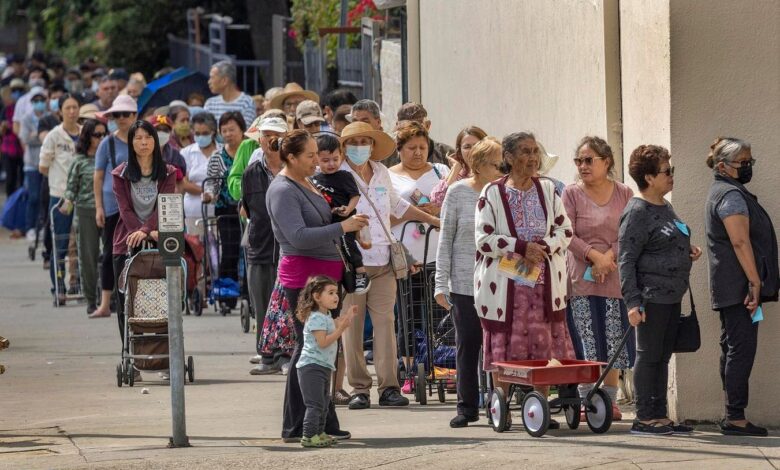
Income and health are deeply interconnected, with socioeconomic status playing a significant role in shaping health outcomes across populations. A recent study published in the Journal of the American Medical Association highlighted the impact of income on health, showing that low-income individuals who received regular monthly cash stipends visited the emergency department less, had fewer hospital admissions, and engaged in more outpatient subspecialty care.
The study examined nearly 2900 low-income individuals in Chelsea, Massachusetts, with approximately 1750 of them receiving $400 per month for nine months. Those who received the monthly payments experienced 27% fewer emergency room visits compared to those who did not receive the stipends. This demonstrates the critical role income plays in healthcare access and utilization.
Access to healthcare is one of the primary ways income influences health outcomes. Higher-income individuals are more likely to have health insurance, affording them access to essential healthcare services such as hospital visits, prescription drugs, and preventive interventions. In contrast, lower-income individuals may forego necessary healthcare due to cost barriers, leading to untreated illnesses that could have been managed or cured with early intervention.
Living conditions are another key determinant of health affected by income. Wealthier individuals can afford to live in neighborhoods with lower crime rates, better schools, and amenities like gyms and parks that promote physical and mental well-being. On the other hand, low-income individuals may reside in disadvantaged areas exposed to environmental hazards like mold and air pollution, increasing their risk of health issues such as asthma.
Food insecurity is also closely tied to income, as higher-income households have greater access to nutritious foods, while lower-income families may struggle to afford healthy options. Research indicates that healthier foods cost nearly twice as much as unhealthier processed foods per serving, contributing to poor nutrition and chronic diseases like diabetes and heart disease.
Stress and mental health are significantly impacted by income, with individuals living in poverty experiencing higher levels of anxiety and depression. Financial instability and the constant worry of meeting basic needs can take a toll on mental well-being, leading to a higher prevalence of mental health disorders among low-income populations.
Addressing health disparities caused by income inequality requires systemic changes and interventions. Expanding access to healthcare insurance for all individuals is crucial, with millions of Americans currently enrolled in coverage through programs like the Affordable Care Act. Additionally, efforts to invest in safe and affordable housing, improve food access in low-income areas, and expand preventive healthcare services are essential in reducing health inequities across the country.
Income and health are intricately linked, and addressing the root causes of health disparities is paramount in creating a more equitable and healthier society for all individuals.