How Iran oil shock differs from 1970s stagflation
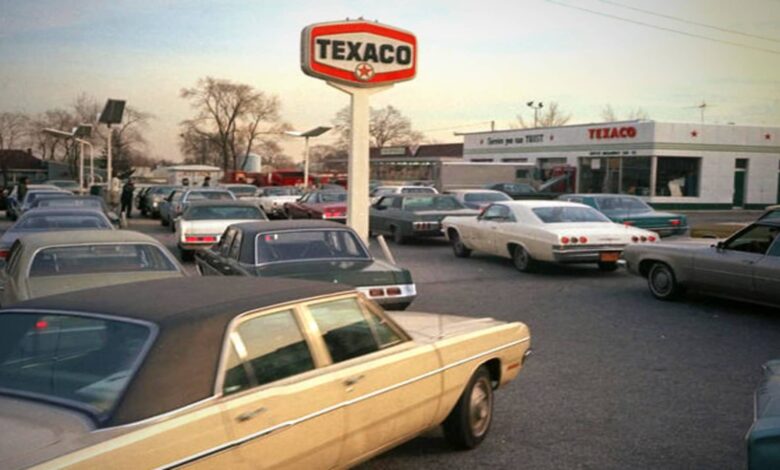
The recent spike in oil prices has sparked fears of 1970s-style stagflation, as the U.S. and Israel’s conflict with Iran has led to market volatility. This toxic combination of higher inflation and slower economic growth has historically been detrimental to both equity and bond markets. Investors are concerned about the potential impact on their portfolios, drawing comparisons to the turbulent times of the 1970s.
In 1973, the S&P 500 experienced a significant decline of over 40% during a recession coinciding with the OPEC oil crisis, resulting in a lost decade for large-cap equity returns. Some market participants are now looking to history to gauge the potential trajectory of markets in 2026. However, there are notable differences between the two eras that should be considered.
One key distinction is the performance of gold in response to the spike in oil prices. Unlike in the 1970s, the recent strengthening of the U.S. dollar has not translated into significant gains for gold investors. This shift can be attributed to the U.S.’s position as the world’s largest oil producer and exporter, reducing its vulnerability to supply disruptions in the Middle East.
Additionally, smaller companies’ stocks experienced a surge in the 1970s, emerging as the best-performing asset class for three consecutive years. This trend followed a market crash, indicating a recovery phase that has not yet materialized in the current market environment.
While some parallels can be drawn between the current situation and the 1970s, it is essential to recognize the differences. The 1970s were characterized by high inflation, stagnant growth, and a flawed policy framework, factors that are not as prevalent today. However, there is potential for a significant shift towards hard assets in the current landscape, with physical assets like energy, copper, and steel potentially benefiting from a rotation away from mega-cap technology stocks.
As of now, oil prices remain below the peaks seen during previous crises, with Brent futures trading at $99.78 per barrel and West Texas Intermediate crude futures at $94.42 per barrel. The market continues to monitor developments closely, mindful of the potential implications of the ongoing geopolitical tensions on the global economy.