How much gold is in an Olympic gold medal, and how much is it worth?
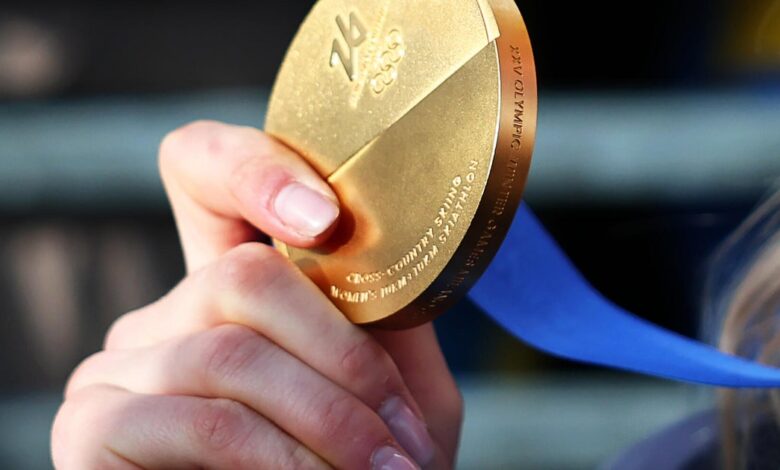
The upcoming 2026 Winter Olympics in Milan are expected to bring not only fierce competition but also valuable medals for the athletes who excel in their respective sports. With gold and silver prices on the rise, the medals awarded at the games could hold significant worth beyond just their symbolic value.
Unlike in the past, Olympic gold medals are no longer made entirely of solid gold. The International Olympic Committee now requires that gold medals consist of at least 92.5% silver, with a thin plating of pure gold. Silver medals, on the other hand, are made solely of silver, while bronze medals remain solid bronze.
At current precious metal prices, the “melt value” of an Olympic gold medal is estimated to be around $2,500. With gold prices reaching record highs recently, the value of the gold and silver components in the medals has increased significantly. This means that the medals athletes receive at the 2026 Winter Olympics could be worth thousands of dollars based solely on their mineral content.
While the melt value of the medals is substantial, the actual collectible value of Olympic medals can far exceed this amount. Some athletes have chosen to sell their medals for substantial sums, with prices ranging from $50,000 to $80,000 depending on the medal’s historical significance and collectability.
For instance, track and field athlete Jesse Owens’ gold medal from the 1936 Olympic Games sold for $1.47 million, setting a record for Olympic medal sales. Swimmer Greg Louganis also sold three of his five gold medals for hundreds of thousands of dollars each, allowing him to make a fresh start and pursue new opportunities.
Even more recently, swimmer Ryan Lochte auctioned off six of his medals to raise money for charity, highlighting the sentimental value athletes place on their accomplishments rather than the physical medals themselves.
However, this year’s Winter Olympics medals have faced some scrutiny after reports of medals breaking. Despite the issue, athletes like Breezy Johnson, who won a gold medal in downhill skiing, remain optimistic that any damage can be repaired.
As the world anticipates the excitement of the 2026 Winter Olympics in Milan, the value of the medals awarded to the athletes will not only represent their athletic achievements but also reflect the fluctuating prices of precious metals. With history, prestige, and collectability in mind, these medals hold a significance that goes far beyond their monetary worth.