How much lead is in your diet? What to know about reducing exposure
Lead Contamination in Food: How to Reduce Exposure
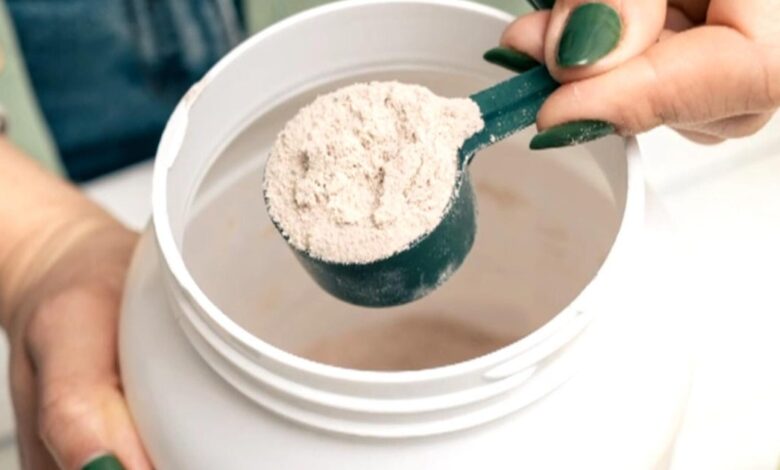
From cinnamon to protein powders, recent reports highlighting high levels of lead in our food supply have sparked concerns about potential health risks associated with exposure to this toxic metal. A recent investigation by Consumer Reports revealed that certain protein powders and shakes contain unsafe levels of lead. Additionally, the Food and Drug Administration (FDA) has identified several brands of ground cinnamon with elevated lead levels, bringing the total number of flagged products to 16.
Lead, a naturally occurring metal, can have detrimental effects on health, particularly when consumed in high amounts. Pieter Cohen, an associate professor at Harvard Medical School, emphasizes the importance of minimizing lead exposure by choosing healthy foods and avoiding products, such as supplements, that may contribute unnecessary lead to one’s diet.
Aside from contaminated food and beverages, other sources of lead exposure include chipped or peeling lead paint, as well as inhaling or ingesting lead dust from certain occupations or hobbies. According to the Centers for Disease Control and Prevention (CDC), lead exposure can result in various health issues, especially in children, such as damage to the brain and nervous system, slowed growth and development, and behavioral problems.
For adults, lead exposure can lead to high blood pressure, cardiovascular problems, and kidney damage, as stated by the World Health Organization (WHO). Pregnant women exposed to lead may experience reduced fetal growth and preterm birth, further emphasizing the need to address lead contamination in our environment.
The level of lead exposure that poses a health risk varies depending on the individual’s overall exposure. The FDA recommends a daily limit of 8.8 micrograms of lead for adults and women of childbearing age, and 2.2 micrograms for children. However, certain unregulated products like supplements may contain significantly higher levels of lead, potentially accumulating in the body over time.
While blood tests can detect lead levels, relying solely on this method may not be sufficient to prevent excessive lead exposure. Dr. Cohen suggests reducing reliance on supplements with unknown lead content and opting for whole foods as a safer alternative. Look for third-party testing labels on products, such as the United States Pharmacopeia (USP) certification, to ensure product safety.
The EPA provides guidelines for reducing lead exposure both indoors and outdoors, including proper hand and food washing, as well as professional testing for lead-based materials in your home. By taking proactive measures to minimize lead exposure, such as choosing safe products and following recommended safety practices, individuals can protect themselves and their families from the potential health risks associated with lead contamination in food.