How Often Should You Replace Mulch?


Editor’s Note: This story originally appeared on LawnStarter.
It happens every spring. The sun stays out longer, the garden gets greener, and the mulch — well, the mulch looks like it could use a refresher. Some people also like to do it later in the year so they will be ready for a busy spring, or to protect plants from the winter.
Knowing how often you should replace mulch is integral to keeping your flower bed or garden at the top of its game.
How Often to Replace Mulch

Knowing how often to replace your old mulch is half the battle of fighting weeds in your garden or flower bed. Most mulches at your local gardening store last anywhere from one to five years. This varies from mulch to mulch, depending on what kind you have. Check your mulch at the start of each spring or fall to look for signs of:
Fading

Discoloring is a clear sign that it’s time to get new mulch. Whether you have a dyed mulch or not, it will show signs of fading. Often, it’s due to natural weather conditions and sun exposure.
Sometimes this means the mulch is on its last legs and struggling to provide your garden with protection. Other times it just needs to be updated to maintain its coloring and keep your mulch beds looking their best.
Weeds

Weeds are probably the clearest indicator that you need to replace your mulch or change your mulching strategy. If your current mulching job isn’t doing the trick, try landscaping fabric underneath bark or rocks to keep the weeds from germinating.
In early spring, growth will just be starting, meaning there might be no blatant signs of weeds. Even still, check for any new growth that you didn’t plant yourself. Keeping note of the condition of your mulch at the end of each summer will further help to determine your decision in the spring.
Sinking

When your mulch has visibly decreased in volume, schedule a visit to your home department store. Mulch will sink as it decomposes, providing beneficial nutrition for the soil in the process. As it decomposes, though, there is less of it to combat new weed growth.
Though beneficial for the soil, it does mean your mulch is running out, and it may have more trouble suppressing weeds and adding protection for your soil and plants. You’ll need to add another layer on top of the existing mulch in order to maintain the benefits that mulch provides.
What Are the Different Types of Mulch?

The options can sometimes feel never-ending when staring at the long aisles of various available mulches. Should you get dyed or natural? Woodchips or bark? Landscape fabric or rocks?
Before you leave the store in frustration, look at the following list of mulch materials, what they are, and what they offer for your lawn.
Organic

Organic mulch is the natural material that most people think of when they think of mulch. These substances decompose over time and will eventually need a new layer. They include:
Typically, you’ll find bags with a mixture of bark and wood chips. These will slowly get absorbed into the soil and require replacing more often than inorganic mulches.
Inorganic

Inorganic mulches will not decompose as organic mulches will. Likewise, you will not need to replace them as often. However, unlike organic mulches, these will not provide nutrition for your soil. These include:
- Gravel
- Landscape Fabric
- Pebbles
- Rubber
Inorganic mulches are also more resistant to heavy rain and are relatively low maintenance. They can also provide your soil with more heat.
Shredded

Another common thing you’ll see on mulch bags, organic mulch bags specifically, is their shredded index. So what exactly does this mean, and how does it affect what mulch you need to get? Well, for starters, there are three different types:
- Single shredded mulch
- Double shredded mulch
- Triple shredded mulch
The first word indicates how many times bark or wood chips ran through a grinder. Shreddage will determine how thin and delicate they are. For example, triple shredded mulch is thinner than single shredded mulch. While most people like the look of triple shredded mulch better (it’s less clumpy), it needs to be replaced more often than single or double shredded mulch.
What Mulch Works Best for You?
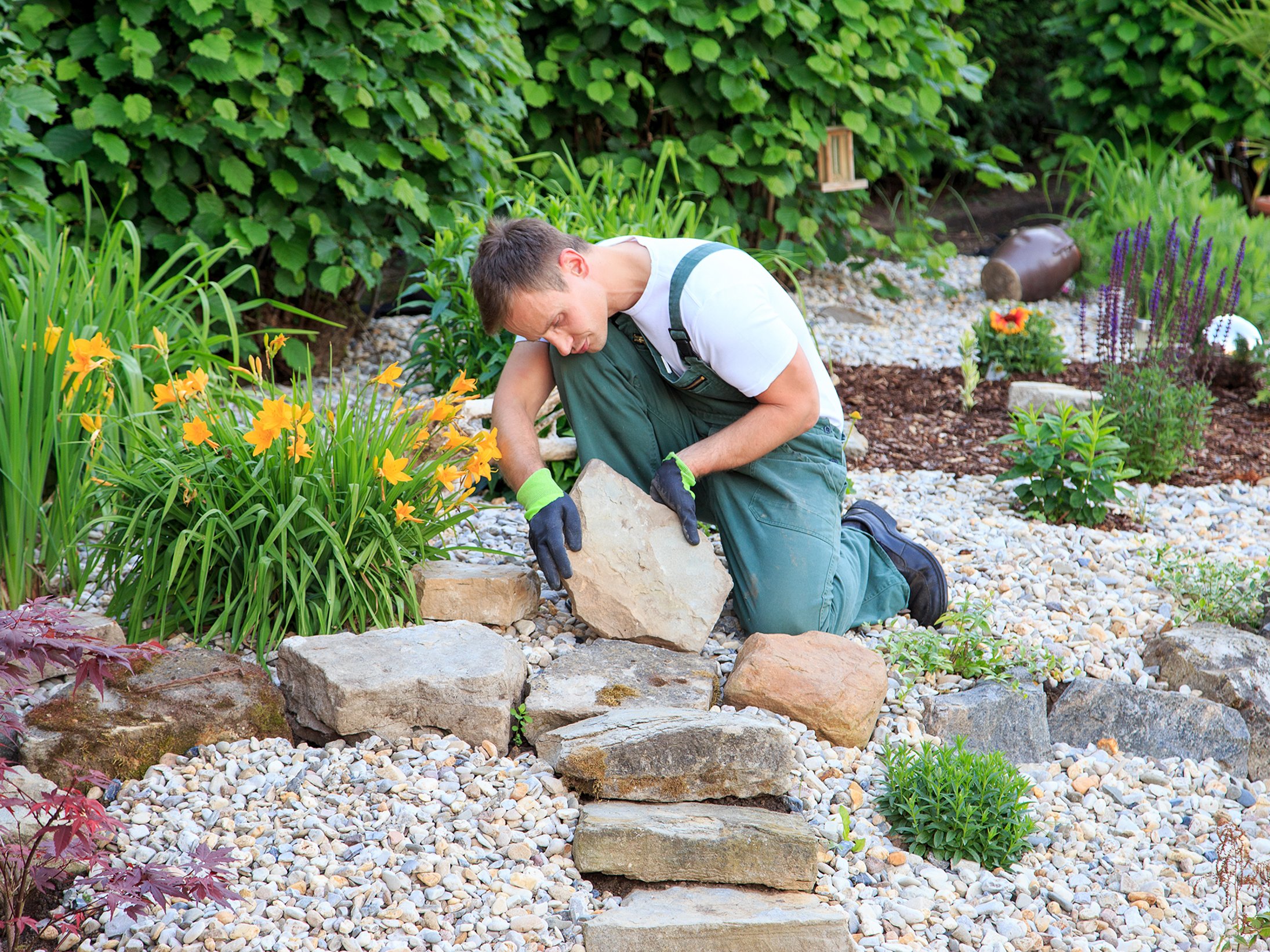
Now that you know all the different types of mulch, it’s time to refresh your existing mulch with new mulch. Not sure whether organic or inorganic mulch is the best choice for you? Check out the pros and cons of each:
Pros of Organic Mulch

✓ Available in a variety of colors
Organic mulches, such as bark and pine straw, come in a variety of colors, including black, brown, and red.
✓ Provides soil with healthy nutrition
The nutrition from the mulch will benefit both the ground and the plants that live there. This is an excellent choice for yards where plants may struggle to grow.
✓ Environmentally friendly
Organic matter is better for the environment and all of these mulches will come from natural materials.
Cons of Organic Mulch

✗ Need to be refreshed or replaced often
Most organic mulches need to be refreshed every year or two because they decompose.
✗ Not very hardy
These mulches may have trouble with the weather elements. Oftentimes hard rains may cause them to shift or for gaps to form in the mulch. Maintenance is sometimes necessary.
Pros of Inorganic Mulches

✓ Do not need replacing often
These mulches are perfect for longevity. They do not need replacing as often and can last five+ years.
✓ Hardier
Since these mulches mainly consist of rock or plastics, they are not as tarnished by the weather and don’t need much maintenance.
Cons of Inorganic Mulches

✗ Do not provide nutrients
Inorganic mulches last longer because they do not decompose like organic mulches. Because of that, they don’t provide anything for the soil.
✗ Limits resources for plants and soil
While this doesn’t happen all the time, landscape fabric can sometimes limit the amount of oxygen the soil gets. Larger rocks can at times block water for plants and soil.
Why Is Mulch Important?

After spending various amounts on topsoil, plants, flowers, and fertilizer, is it essential to purchase mulch, too? If you’re on the fence about it, consider these benefits of mulch:
- Helps prevent weed growth
- Keeps moisture in the soil longer
- Helps to reduce soil erosion
- Some mulches add organic matter and nutrients to the ground
- Helps keep fruits, vegetables, and flowers clean
- Protects the roots of plants from mowers and weed whackers
- Maintains soil temperature throughout the whole season
- Adds to the overall aesthetic of your home or business
Mulch provides a great deal for your overall lawn care and is a welcome addition to any garden or flower bed. If you’re worried about cost, try some creative ways of getting free mulch.
How to Apply Mulch

Once you’ve decided on a type of mulch, the next thing to do is know the steps on how to apply it.
- Before you mulch — The very first thing you should do in order to make your mulch last, is to weed. It’s nobody’s favorite chore, but weeding your area before placing mulch will keep you weed-free longer.
- Best time of year to apply mulch — Early spring is the best time to apply mulch after your spring plants are in the ground. Getting the mulch down before weeds or disease has time to take hold in the garden is why it’s best to get it down early.
- Techniques — Homeowners commonly spill the mulch out in piles in their mulch, flower, or garden bed and then go through with a rake or their hands to spread it out evenly.
- How deep to apply mulch — One layer of mulch should only be 3 to 4 inches deep. This amount provides protection and nutrients without harming the plant. Using more than this can limit the amount of water and oxygen available to the plant due to the overwhelming amount of mulch.
- How to mulch around trees — Another thing to remember is to stay clear of the actual plant or tree root when mulching. Mulch should not pile up against them because it can cause what’s known as “mulch volcanos.” This can cause the tree’s roots to poke up from beneath the ground and become vulnerable.
FAQ About Mulch

Keep reading for answers to some common mulch questions.
How Much Mulch Do I Need?

You may want to break out the calculator to know the amount of mulch you’ll need for your yard. To calculate mulch in yards, you should know that 1 cubic yard of material will cover an area of 324 square feet.
The formula is square footage times desired depth (inches) divided by 324. Or, you could get a few bags and hope for the best.
You might want to try one of these handy mulch calculators for a stress-free and accurate number.
How Do You Extend the Lifespan of Mulch?

There are a few tricks that can help you to extend your mulches lifespan. One way is through raking it and turning it over. This way, the bottom mulch gets exposure while the mulch on the top gets a break from the elements. It isn’t a long-term solution, but it can help extend the mulch for another season.
Do You Need to Remove Old Mulch Before Replacing It?

It is not necessary to remove old mulch before replacing it. Even old mulch can still be beneficial for the plants as it decomposes. Some homeowners prefer to remove it, but many will leave it and simply mulch over it.
Which Mulch Lasts the Longest?

Cedar mulch is famous for its longevity. It decomposes slower than most organic mulches and stays better for longer. The typical lifespan is four to seven years. However, most inorganic mulches, such as rocks, require less maintenance and changing.
Disclosure: The information you read here is always objective. However, we sometimes receive compensation when you click links within our stories.
Source link