How Republican ‘one big beautiful bill’ targets immigrant finances
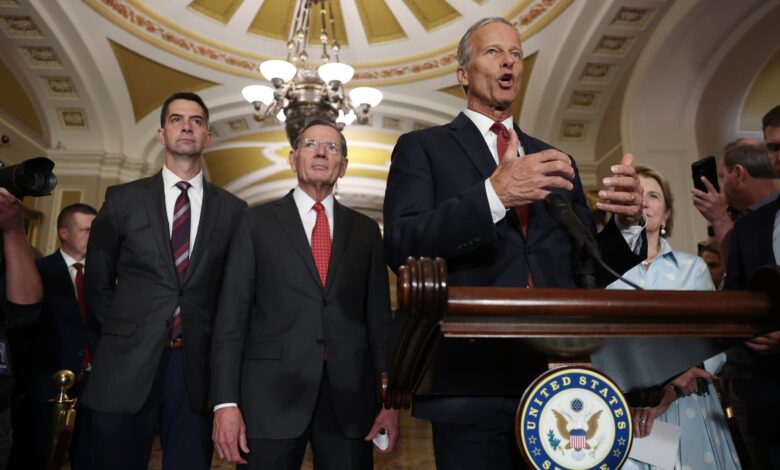
The Republican megabill currently making its way through Congress has stirred controversy among economists and policy experts for its potential impact on immigrant households in the United States, both legal and undocumented. Spearheaded by President Donald Trump, the legislation aims to tighten the financial resources available to immigrants, including restricting access to tax benefits like the child tax credit.
In addition to limiting tax benefits, the bill includes provisions such as imposing a tax on remittances, which are money transfers sent by immigrants to family members abroad. The House and Senate versions of the bill also propose introducing new fees for immigrants seeking asylum, including a $1,000 application fee for asylum seekers and additional fees for work authorization and Temporary Protected Status.
The legislation has faced pushback from critics who argue that it will disproportionately affect immigrant families, particularly those with mixed immigration status. For example, the bill would restrict access to the child tax credit for children whose parents do not have a Social Security number, impacting an estimated 1 million children. The House bill is particularly stringent in its restrictions, disqualifying children from the credit if either parent lacks a Social Security number.
Furthermore, the bill includes provisions that could impact a wide range of tax breaks for immigrant families, including existing credits like the American Opportunity Tax Credit and proposed benefits like tax breaks for tips and overtime. The National Immigration Law Center has raised concerns about the bill’s implications for nonimmigrant households as well, such as requiring all parents to file a joint tax return if claiming the child tax credit.
On the issue of remittances, the bill proposes a 3.5% tax on money transfers sent abroad, adding an additional financial burden on immigrants who rely on these transfers to support their families back home. The proposed tax would be paid by the sender and could exacerbate existing remittance fees charged by financial institutions and money transfer services.
Overall, the Republican megabill represents a significant shift in immigration and fiscal policy, with potential implications for millions of immigrant families in the United States. As the legislation continues to evolve and face scrutiny, its ultimate impact on immigrant households remains uncertain.