How the African Screen Industries Are Adapting to Turbulent Market
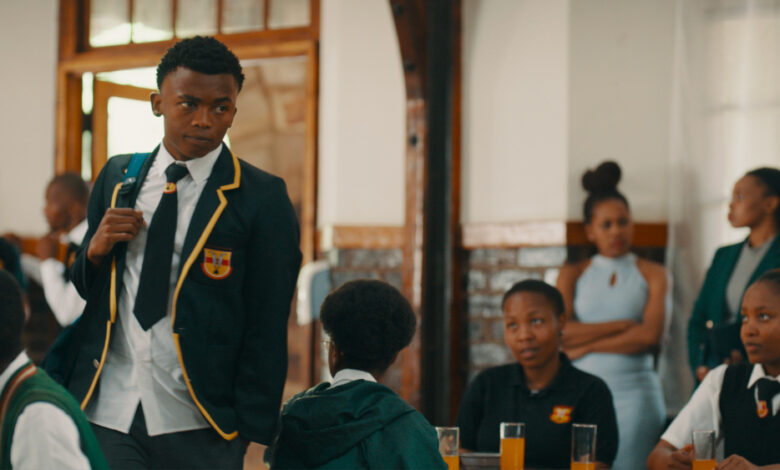
The South African film and TV industry was left reeling this week after Canal+ made the sudden decision to shut down the homegrown streaming service Showmax. The news came as a shock to many in the industry, who were left wondering what would come next.
The closure of Showmax was not entirely unexpected, given the French media giant’s takeover of MultiChoice last year. There had been speculation that cost-cutting measures were on the horizon, and Showmax, a direct competitor to Canal+’s own SVOD service in Africa, was a logical target. Despite significant investment in the platform to fuel content creation, Showmax failed to meet growth and subscriber targets, leading to its demise.
The news of Showmax’s closure hit hard at the JBX market in Johannesburg, with many industry professionals expressing shock and disappointment. The move was seen as a blow to African filmmakers, especially coming at a time when streaming services like Prime Video were scaling back their presence on the continent.
The future of Canal+’s streaming strategy in Africa is uncertain, leaving many producers anxious about their prospects. With fewer options for distribution locally, the industry is in a state of flux, with uncertainty about where the next opportunities will come from.
Despite the challenges, there is a sense of resilience among African filmmakers, who are known for their resourcefulness. Calls for collaboration and partnership were made at the JBX Talks conference, with hopes that technology could provide new opportunities for content creators on the continent.
One example cited was Senegalese-born TikTok star Khaby Lame, whose success in the digital space serves as inspiration for African creators looking to monetize their content on a global scale. With a billion-plus mobile phones in Africa, there is potential for a booming microdrama industry that could generate significant revenue in the coming years.
Companies like Both Worlds are already making moves in this direction, partnering with U.S. outfit Freeli Films to produce vertical series and movies for mobile platforms. The success of the vertical market in China has shown the potential for this type of content to outearn traditional theatrical releases, providing a roadmap for African creators to follow.
As the industry navigates the aftermath of Showmax’s closure, there is a sense of optimism that African filmmakers can adapt to the changing landscape and find new avenues for success. With a spirit of ubuntu driving collaboration and innovation, the future of the South African film and TV industry remains promising, despite the challenges ahead. The South African entertainment industry is experiencing a shift towards personalized and localized content creation, as highlighted by Elouise Kelly, country manager for Viu in South Africa. Viu, an Asian streaming giant, has taken the initiative to dub Korean microdramas into Indigenous South African languages such as Zulu, signaling a move towards catering to the African market.
Kelly emphasized the importance of adapting foreign content to suit the tastes and preferences of South African and African audiences. She believes that the key to success lies in personalizing content to resonate with local viewers. This approach not only enhances cultural relevance but also creates opportunities for growth and expansion within the industry.
The prospect of exploring vertical formats and integrating AI technology into production workflows was described as a potential “paradigm shift” by industry expert Brandt. He urged African filmmakers to take risks, embrace new formats, and leverage emerging technologies to stay ahead in a rapidly evolving landscape.
Vertical storytelling, in particular, was highlighted as a novel and engaging form of narrative that has the potential to captivate audiences. Brandt emphasized the importance of understanding and embracing this format to attract a wider viewership and unlock untapped opportunities within the industry.
Thandeka Zwana, representing South Africa’s Indigenous Film Distribution, echoed the sentiment of adaptation and innovation in storytelling. She encouraged filmmakers to think outside the box, broaden their horizons, and adapt to the evolving preferences of consumers. In a changing world where audience tastes are dynamic, Zwana stressed the need for filmmakers to continuously evolve and tailor their storytelling to cater to shifting demands.
The Joburg Film Festival, scheduled to run from March 3 to 8 in Johannesburg, serves as a platform for showcasing the diverse and vibrant talent within the African entertainment industry. It is a testament to the creativity and innovation that drives the industry forward, providing a space for filmmakers to experiment, collaborate, and inspire audiences with their unique stories.
In conclusion, the call to set aside existing content and create original, localized narratives resonates strongly within the South African entertainment landscape. By embracing innovation, adapting to changing trends, and personalizing content for local audiences, filmmakers have the opportunity to carve out a niche in the competitive industry and connect with viewers on a deeper, more meaningful level.