How the Iran War Could Increase Gas Prices in the U.S.
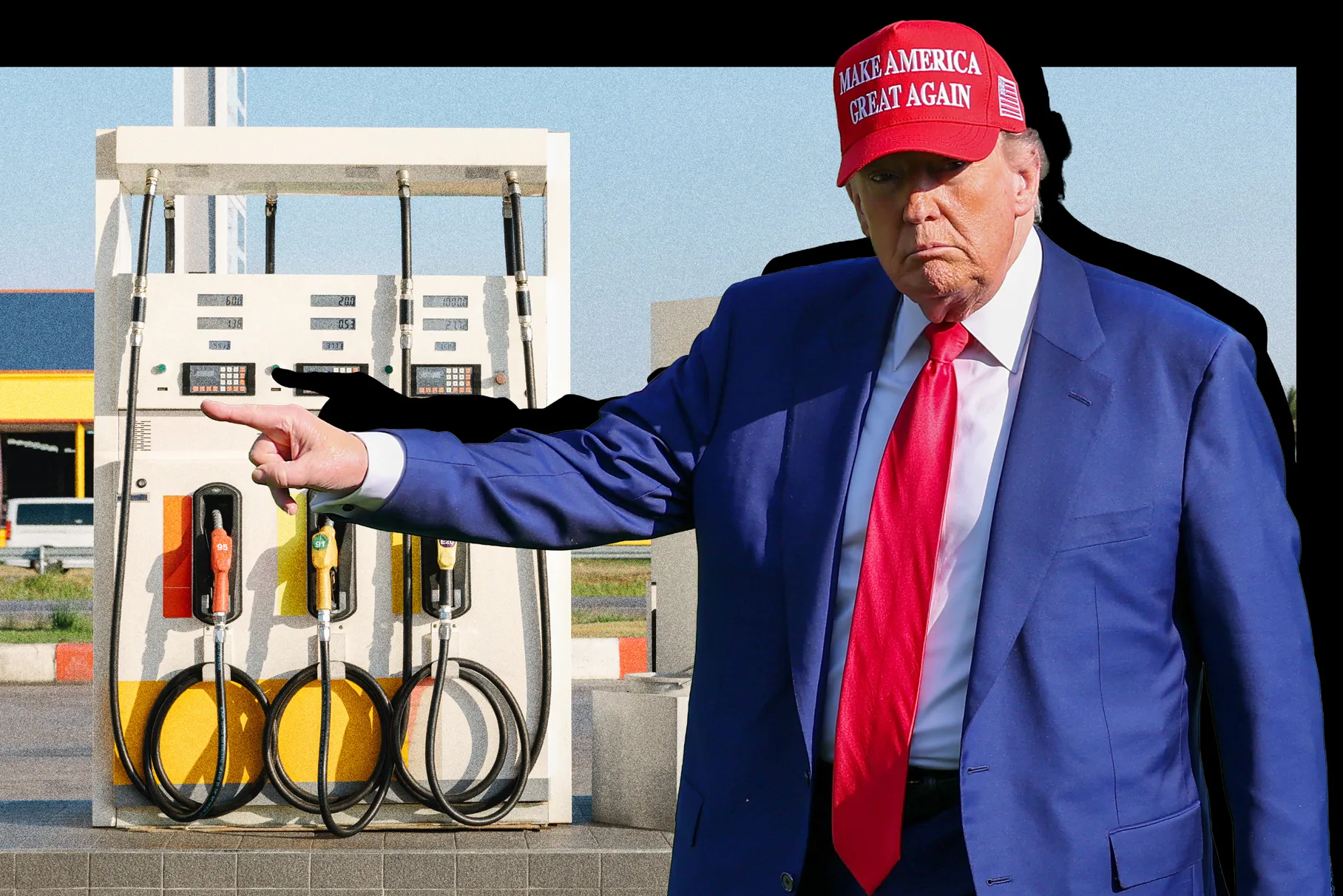
The recent U.S. strikes on Iranian nuclear sites and the subsequent escalation in the Iran-Israel conflict have brought about fresh uncertainties in the global oil market. The world anxiously awaited Iran’s response to Saturday’s intervention, with experts predicting a likely rise in gasoline prices this week.
However, Iran’s retaliation turned out to be weaker than expected, easing the initial fears. Oil prices saw a sudden dip on Monday following Iran’s missile launches at U.S. bases in Qatar and Iraq. The attack was less severe than anticipated, and crucially, Iran did not target any oil supply routes.
Denton Cinquegrana, chief oil analyst at the Oil Price Information Service, remarked, “This is a far cry from disrupting the Strait of Hormuz.” The strait, a vital shipping lane through which approximately 20% of global oil flows, had raised concerns of a potential closure by Iran in response to the U.S. strikes.
Kristian Kerr, head of macro strategy at LPL Financial, emphasized the significant ramifications that obstructing maritime traffic through the strait would have on global oil markets and regional stability.
Goldman Sachs warned that a disruption in the strait could lead to oil prices surging above $100 per barrel.
CNN reported that Iran’s parliament had approved a motion to close the strait, but the final decision rests with Iran’s Supreme National Security Council. However, as Cinquegrana pointed out, closing the strait would not be an easy task and could have negative consequences for Iran as they rely on it for exporting oil.
Amidst the concerns of escalating conflict and nuclear fears, the cost of gas remains a pressing issue for everyday Americans. Many drivers recall the challenges of paying for gas when prices spiked following Russia’s invasion of Ukraine in 2022.
Even President Donald Trump expressed concern about potential spikes in oil and gas prices, urging to keep oil prices down in a post on Truth Social.
Why War in Iran Affects Gas Prices in America
Crude oil is a primary component in gasoline, constituting about 49% of the cost of a gallon of gas. Therefore, when crude oil prices rise, gas prices tend to follow suit. Typically, gas prices move by about 25 cents with a $10 swing in oil prices.
From April to June, Brent crude oil traded below $70 per barrel, contributing to gas prices dropping below $3 in over 30 states. However, amid the Israel-Iran conflict, oil prices have risen by about 8.5% in June, reaching $70 per barrel and briefly hitting $79 per barrel.
AAA reports that gas prices are averaging around $3.22 per gallon, up 8 cents from the previous week.