How the new deduction works
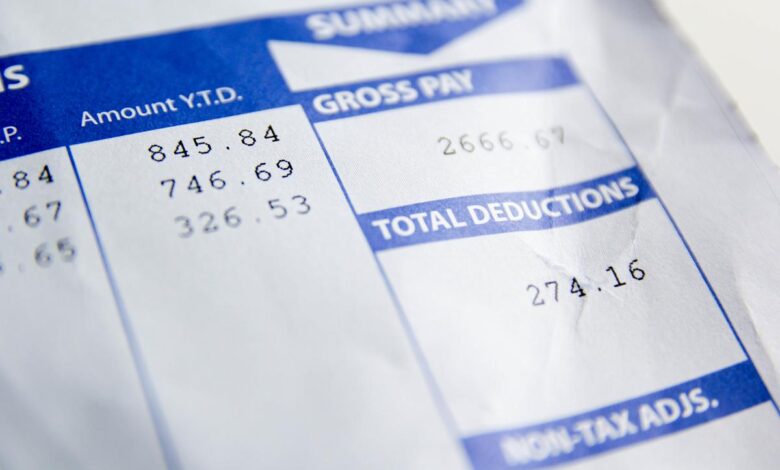
The One Big Beautiful Bill Act (OBBBA) was signed into law on July 4, 2025, bringing about several changes to tax deductions, one of which is a tax break for overtime pay. While it may sound like a dream come true to have no tax on overtime earnings, the reality is a bit more nuanced.
The new tax break does not completely eliminate taxes on overtime earnings, but it does provide an opportunity for eligible individuals to keep more money in their pockets. The deduction is temporary, applicable for tax years 2025 through 2028 for overtime pay under section 7 of the Fair Labor Standards Act (FLSA), impacting approximately 143 million people. Taxpayers can deduct the portion of their pay that exceeds their regular pay rate, meaning if you receive time and a half for overtime, you can deduct the half portion. It’s important to note that not all overtime earnings are deductible, only the amount above your regular rate, and there is a cap on the deduction.
The maximum deduction for no tax on overtime is $12,500 for individuals or $25,000 for joint filers, with a phase-out based on income level starting at $150,000 for single filers and $300,000 for joint filers. While the FLSA mandates minimum wage payment for all hours worked and overtime pay at time-and-a-half for hours exceeding 40 per week, there are exceptions to consider.
Determining eligibility for the tax deduction can be complex, and there are various caveats to navigate. Resources from the Department of Labor can provide helpful information in this regard. The deduction is available whether you itemize deductions or claim the standard deduction on your tax returns, but once your income surpasses the threshold, you can no longer claim the deduction.
To claim the deduction, individuals must have a Social Security number and must file jointly if married. Hourly employees and non-exempt workers are typically eligible to deduct their overtime pay, while salaried employees may not qualify. It’s essential to remember that even if eligible for the federal tax deduction on overtime, state taxes and other payroll taxes may still apply.
Employers are not mandated to separate overtime pay for tax year 2025, but it may be included on forms like W-2, 1099-NEC, or 1099-MISC. The IRS allows taxpayers to estimate their overtime earnings based on available documentation for the year. For tax year 2026, employers must include qualified overtime on forms like W-2 or 1099, making 2025 a transition period.
To claim the deduction, individuals must complete a Schedule 1-A (Form 1040), which is necessary for itemizing taxes in addition to Schedule A. This two-page form requires basic math skills and a calculator to determine the applicable sections for completion.
In conclusion, while the tax deduction for overtime may not completely eliminate taxes on these earnings, it can provide some relief for eligible individuals. It’s essential to understand the criteria for eligibility and follow the necessary steps to claim the deduction accurately.