How the US got left behind in the global electric.jpg
Other manufacturers are expected to follow suit, but it remains to be seen if these price adjustments will be enough to maintain the momentum in electric vehicle sales.
Charging infrastructure
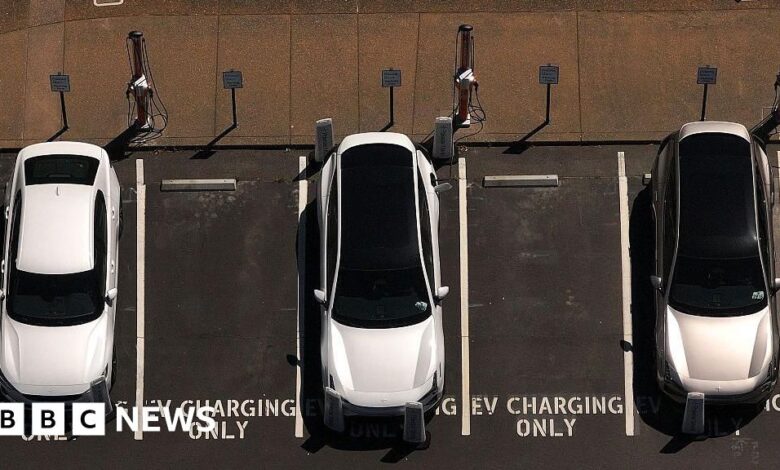
Another barrier to widespread adoption of electric vehicles in the US is the lack of a robust charging infrastructure.
While efforts have been made to expand the network of charging stations, particularly along major highways, there are still concerns about availability and accessibility of charging points for those without dedicated home charging setups.
This issue is particularly acute in rural areas and apartment complexes where installing charging infrastructure can be challenging and costly.
Investment in charging infrastructure will be crucial to encourage more consumers to make the switch to electric vehicles and alleviate range anxiety.
In conclusion, while the recent surge in electric vehicle sales in the US is a positive sign, the future of the industry remains uncertain.
Factors such as government policy, pricing, tariffs, and charging infrastructure will all play a crucial role in shaping the trajectory of electric vehicle adoption in the country.
Ultimately, the success of electric vehicles in the US will depend on a combination of consumer demand, industry innovation, and supportive government policies.
.
Electric Vehicles (EVs) are gaining momentum in the United States, with sales of battery cars reaching over 1.2 million last year, a significant increase from just four years ago. Hybrid sales have also seen a three-fold jump, indicating a growing interest in alternative fuel vehicles. In August, battery-powered cars accounted for 10% of overall sales, marking a new high in the market. Major automakers like General Motors, Ford, and Tesla have reported record electric vehicle sales in recent months, showcasing a positive trend in the industry.
However, this surge in electric vehicle sales can be attributed to a rush to take advantage of a government subsidy that offered up to $7,500 off the price of certain electric vehicles. With the tax credit expiring at the end of September, carmakers are bracing for a slowdown in demand. Ford’s CEO, Jim Farley, and General Motors’ CFO, Paul Jacobson, have both expressed expectations of a decline in electric vehicle demand following the end of the subsidy.
Compared to other countries like the UK, Europe, and China, the US lags behind in electric vehicle adoption. Policy differences, including weaker government support and limited subsidies, have hindered the growth of the electric vehicle market in the US. Former President Joe Biden’s efforts to boost electric vehicle sales have been met with challenges, as President Donald Trump sought to roll back incentives and regulations supporting the industry.
One significant barrier to electric vehicle adoption in the US is the higher cost of electric cars compared to traditional petrol-powered vehicles. The average transaction price of an electric car in the US is over $57,000, making them less accessible to the average consumer. The lack of affordable options and tariffs on foreign electric vehicles have further restricted the market.
In addition to pricing challenges, the lack of a robust charging infrastructure poses a hurdle to widespread electric vehicle adoption. While efforts have been made to expand the network of charging stations, accessibility remains an issue, particularly in rural areas and apartment complexes. Investment in charging infrastructure will be crucial to address range anxiety and encourage more consumers to switch to electric vehicles.
In conclusion, while the recent growth in electric vehicle sales in the US is promising, the industry faces challenges that could slow down progress. Government policies, pricing strategies, tariffs, and charging infrastructure will all play a vital role in shaping the future of electric vehicles in the country. Success in the electric vehicle market will depend on a combination of consumer demand, industry innovation, and supportive government initiatives. Tesla recently announced that the cost for monthly lease payments of some of its cars would be increasing. This decision comes amidst challenges in the automotive industry, particularly due to the impacts of tariffs and policy changes.
Stephanie Brinley, associate director of S&P Global Mobility, expressed skepticism about other firms following Hyundai’s lead in raising lease prices. The looming threat of tariffs is putting pressure on manufacturers, making it difficult for them to make decisions that benefit consumers.
Despite the challenges, some buyers may still opt for electric vehicles (EVs) in the coming year. However, Brinley cautioned that overall car sales are expected to decline by approximately 2% in 2026.
The withdrawal of incentives for EVs, coupled with the uncertainty surrounding tariffs, is creating a double blow for the automotive industry. Carmakers have already been reducing their investments in electric vehicles, and researchers believe that Trump’s policy changes could further dampen these investments.
Katherine Yusko, a research analyst at the American Security Project, emphasized the impact of the subsidy removal on the EV industry. She noted that the subsidies initially aimed to level the playing field but their removal now puts the US at a disadvantage.
Despite these challenges, Brinley remains optimistic about the future of electric vehicles. She believes that it is premature to declare the US as lagging behind in an industry that is still exploring various technological alternatives. The question of whether electric vehicles are the best solution remains unanswered, and Brinley suggests that it is too early to make definitive statements.
In conclusion, the automotive industry is facing significant challenges with the removal of incentives and the uncertainty surrounding tariffs. While Tesla’s decision to increase lease prices may be a sign of the tough times ahead, there is still hope for the future of electric vehicles as manufacturers and policymakers navigate through these turbulent times.