How to Build a Fitness App in 2025: A Step-by-Step Business Guide
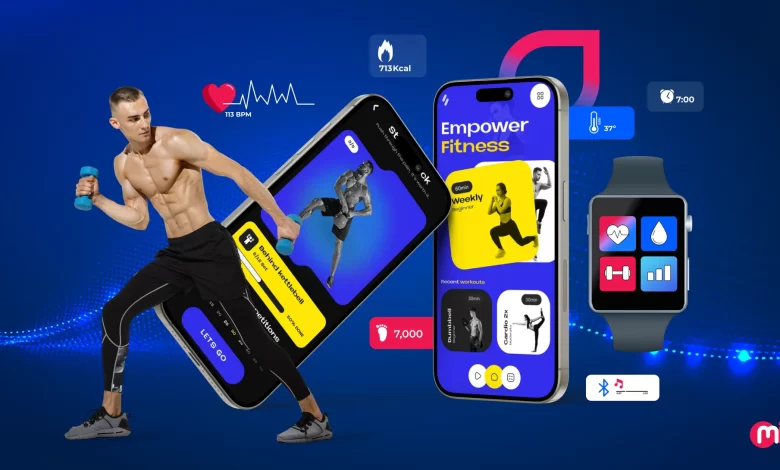
Personal health and well-being have never been more crucial than they are today. With the heightened health awareness brought about by the 2019 pandemic, people are increasingly focused on tracking what they eat, how much they move, and their overall wellness. This surge in health consciousness has led to significant growth in the fitness app market, which generated $3.98 billion in revenue in 2024, marking an 11.1% increase compared to the previous year. This growth presents a valuable opportunity for businesses to tap into a rapidly expanding market through strategic investments in fitness app development.
Building a successful fitness app requires careful planning, thoughtful feature selection, and scalable development strategies. Apps that combine intuitive tracking, personalized plans, analytics, and community features leveraging AI and wearable integrations are key to engaging users, generating recurring revenue, and providing actionable consumer insights. In this guide, we will walk you through how to create a high-impact fitness app, covering essential features, workflow considerations, and cost insights to help your business thrive in 2025 and beyond.
Key Takeaways
- 56% of US Gen Z prioritize fitness, indicating a growing, engaged user base for digital wellness apps.
- Understanding app categories, from exercise and nutrition to activity tracking, is crucial for strategic positioning.
- Features like intuitive tracking, personalized plans, analytics, and community features drive user engagement and differentiation.
- Fitness app development costs range from $30K to $200K+ depending on complexity and integrations.
Fitness App: Market Overview and Industry Insights
According to Grand View Research, the global fitness app market was valued at $10.59 billion in 2024 and is projected to reach $23.21 billion by 2030, growing at a CAGR of 13.88% from 2025 to 2030. North America led the market in 2024, with the US holding a significant share. The Exercise & Weight Loss segment is expected to grow at a CAGR of 12.5%, while the Activity Tracking segment is projected to expand at 14.9% between 2025 and 2035. Reports indicate that over 70% of fitness app users interact with their apps daily, and the industry is expected to grow at an annual rate of 20%.
What are the Types of Fitness Apps?
Fitness apps come in various categories, including workout and exercise apps, nutrition and diet apps, activity tracking apps, yoga apps, social fitness apps, meditation and mindfulness apps, fitness studio apps, specialized fitness apps, personal trainer apps, and mood tracking apps. Each category offers personalized tools and experiences to support users’ fitness journeys and overall well-being.
- Workout and Exercise Apps: Offer structured workouts, exercise routines, and video tutorials for strength, endurance, and fitness.
- Real-Life Example: Nike Training Club
- Nutrition and Diet Apps: Help users monitor meals, calories, and macronutrients with personalized recommendations and meal plans.
- Real-Life Example: Passio.AI
- Activity Tracking Apps: Provide real-time insights by logging steps, distance, calories burned, and heart rate.
- Real-Life Example: Fitbit
- Yoga Apps: Focus on flexibility, mindfulness, and relaxation through guided yoga sessions and wellness practices.
- Real-Life Example: Yoga for Beginners
- Social Fitness Apps: Connect users with communities for motivation through challenges and social accountability.
- Real-Life Example: Strava
- Meditation & Mindfulness Apps: Enhance mental well-being with structured meditation routines and stress-relief exercises.
- Real-Life Example: Headspace
- Fitness Studio Apps: Allow booking classes, accessing on-demand workouts, and interacting with instructors for convenience.
- Real-Life Example: ClassPass
- Athlete Management System: Cater to professional and amateur athletes by consolidating health, performance, and training data.
- Real-Life Example: SAM ™
- Personal Trainer Apps: Provide one-on-one coaching through customized workout plans and real-time feedback.
- Real-Life Example: 6PP
Essential Features for Successful Fitness App
When building a fitness app, consider a range of features categorized as basic, intermediate, and advanced to enhance user engagement, support personalized fitness journeys, and provide scalable solutions for growth. These features collectively ensure a well-rounded and effective fitness app experience:
Basic Features
- Real-Life Example: 6PP
- Workout and Exercise Apps: Offer structured workouts, exercise routines, and video tutorials for strength, endurance, and fitness.
- User Registration
- User Profile Management
- Pre-designed Workout Routines
- Activity Tracking
- Push Notifications and Reminders
- Basic Progress Visualization
- Social Media Integrations
- Payment Integrations
Intermediate Features
- Custom Workout Builder
- Video Tutorials
- Meal Planning and Calorie Tracking
- Wearable Devices Integrations
- Goal Setting and Milestone Tracking
Advanced Features
- AI-Driven Personalized Workout & Nutrition Plans
- Virtual Coaching & Real-time Feedback
- AR/VR Immersive Workouts
- Geolocation Integrations
- Advanced Analytics
- Gamification
- Offline Access & Syncing
- Integration with Advanced Sensors
- Premium Content Library
How to Create a Fitness App: Step-by-Step Process
- Software Discovery: Identify purpose, target audience, core problems, and must-have features.
- App Design: Design user experience, define user flows, create wireframes, and test high-fidelity UI designs.
- App Development: Develop frontend, backend, databases, APIs, and integrate wearables, payment solutions, or fitness platforms.
- QA Testing: Perform thorough testing for functionality, performance, usability, and security.
- App Deployment: Prepare for launch, set up app store listings, privacy policies, and submit for review.
- Proactive Maintenance: Follow proactive software maintenance to keep app stable, secure, and engaging.
How Much Does It Cost to Develop a Fitness App in 2025?
The fitness app development cost ranges from $30,000 to $200,000+ depending on complexity, features, and development approach. Cost-saving strategies can help optimize expenses and ensure a successful app development process.
Final Thoughts
Fitness apps play a significant role in the digital wellness revolution, offering businesses opportunities to innovate, lead markets, and create lasting influence. Every investment in a well-designed app can become a catalyst for growth, differentiation, and long-term impact.
Build Your High-End Fitness App with MindInventory
MindInventory is a renowned fitness app development company known for delivering innovative and scalable digital solutions tailored to the dynamic fitness industry. With expertise in personalized workout apps, gym management systems, and wellness platforms, MindInventory creates user-centric applications that drive engagement and promote healthier lifestyles. Leveraging technologies like Kotlin, Swift, React Native, and Flutter, MindInventory builds responsive mobile solutions with cloud platform integrations for scalable infrastructure.
FAQs on Fitness App Development
- What is fitness app development?: Fitness app development involves building applications to help users track workouts, monitor health data, plan meals, and achieve wellness goals.
- How to monetize fitness apps?: Monetization strategies include subscription plans, in-app purchases, advertising, and partnerships with gyms or wellness brands.
- What are the best fitness apps on the market?: Top fitness apps include MyFitnessPal, Strava, Fitbod, and Nike Training Club.
- How long does it take to build a fitness app?: Development time varies based on project requirements, tech stack, complexity, and team size.
- What tech stack is best for fitness app development?: An ideal tech stack includes tools for cross-platform development, backend, databases, wearables integration, and AI features.
- What are the benefits of fitness app development?: Fitness apps expand into the health and wellness market, create revenue opportunities, build brand loyalty, and provide personalized user experiences.
- What are the challenges in developing fitness apps?: Challenges include designing user-friendly interfaces, ensuring accurate tracking, maintaining data security, and managing monetization strategies.
- What are the future trends in fitness apps?: Future trends include AI-driven personalization, wearables integration, AR/VR experiences, community engagement, and holistic well-being focus.
- What security and compliance standards must fitness apps follow?: Compliance standards include HIPAA, PCI DSS, GDPR, and other regional privacy laws to protect sensitive health data.
In conclusion, building a successful fitness app requires a strategic approach, thoughtful feature selection, and scalable development strategies to engage users, drive revenue, and provide actionable insights. By following best practices and leveraging emerging technologies, businesses can create impactful fitness apps that cater to the growing demand for digital wellness solutions.