How to Outsmart Market Anxiety When Everyone’s Panicking
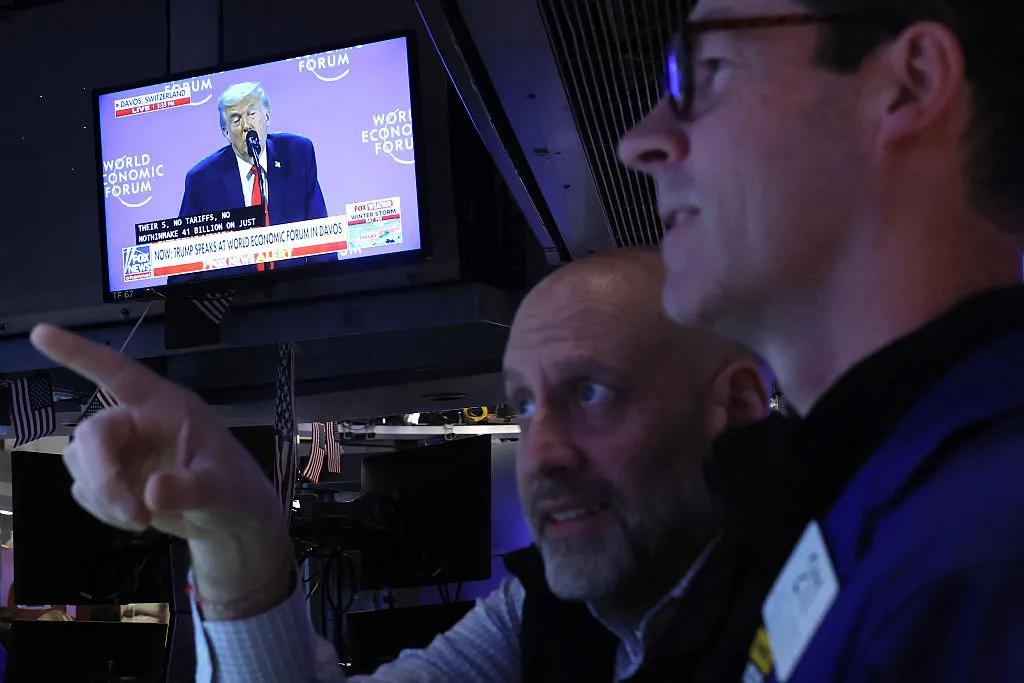
Investing in the stock market can be a rollercoaster ride, especially during times of market volatility. The fear of losing money can lead to emotional investing, which may result in poor decision-making. To avoid falling into this trap, it’s essential to have a solid investing plan in place. Here are four steps to help you navigate market anxiety and stay on track with your financial goals.
1. Build a cash buffer:
One of the best ways to alleviate anxiety during market fluctuations is to have a cash buffer in place. This means having enough money set aside to cover your living expenses for a certain period, typically three to six months. For retirees or those with irregular income, it’s recommended to save even more – ideally, enough to cover one to three years of expenses. By having this cash reserve, you can avoid the need to sell investments at an unfavorable time and weather market downturns more effectively.
2. Automate your investments:
Instead of trying to time the market or pick individual stocks, consider investing in index funds and ETFs. These diversified investments can help reduce risk and simplify your investment strategy. Setting up automatic contributions to these funds can further streamline the process and ensure that you continue to invest consistently over time. This automated approach takes the guesswork out of investing and allows you to benefit from compound growth, even during market downturns.
3. Rebalance your portfolio regularly:
Maintaining a diversified portfolio is key to managing risk and maximizing returns. Periodically review your asset allocation and make adjustments as needed to ensure that your portfolio remains well-diversified. Rebalancing can help you stay on track with your investment goals and mitigate the impact of market fluctuations. By regularly monitoring and adjusting your portfolio, you can position yourself for long-term success.
4. Limit exposure to market news:
Constantly checking investment news and reacting to every market movement can fuel anxiety and lead to impulsive decisions. Consider taking a break from following market headlines and focus on the bigger picture. Remember that investing is a long-term endeavor, and short-term fluctuations should not dictate your investment strategy. By staying disciplined and avoiding knee-jerk reactions to market news, you can maintain a steady course towards your financial goals.
In conclusion, staying calm and focused during market volatility is essential for long-term investment success. By following these four steps – building a cash buffer, automating your investments, rebalancing your portfolio, and limiting exposure to market news – you can navigate market anxiety and stay on track with your financial plan. Remember that investing is a marathon, not a sprint, and staying disciplined in your approach will ultimately lead to better outcomes.