How to Seamlessly Transition from Legacy Apps
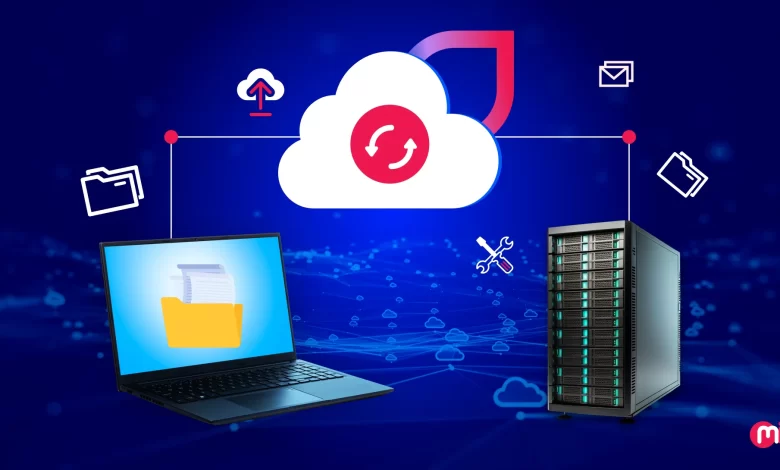
SaaS migration has become a popular choice for businesses looking to enhance performance and scalability. With the Software as a Service (SaaS) market growing steadily, valued at USD 266.23 billion in 2024 and expected to reach USD 1,131.52 billion by 2032, businesses are eager to make the shift.
The process of SaaS migration involves moving data, workflows, applications, or entire business systems from on-premise or legacy software to a cloud-based SaaS platform. This shift eliminates the need for maintaining physical infrastructure, as organizations can access vendor-managed applications over the internet.
Key benefits of SaaS migration include centralized data management, faster deployment cycles, reduced IT workload, cost-effectiveness, automatic updates, better performance and uptime, easier integrations, enhanced security, and operational agility.
Popular SaaS migration models include siloed migration, layered migration, data migration, and parallel migration. Each model offers a unique approach to migrating legacy applications to SaaS platforms.
Features that influence SaaS migration success include multi-tenancy support, scalability, strong identity and access management, smooth data migration and portability, integration capabilities, customization options, disaster recovery and backup, and deployment and DevOps capabilities.
The process of migrating legacy applications to SaaS involves assessing and roadmap, redesigning the architecture, preparing for change management, building and configuring, testing end-to-end, migrating data, deploying and maintaining. Each step is crucial to ensuring a successful migration without disruptions.
Challenges of migrating legacy apps to SaaS include complex architectures, data quality issues, integration hurdles, interoperability challenges, change resistance from teams, security and compliance concerns, downtime risks, technical debt, hidden costs, skill gaps, and potential vendor lock-in.
In conclusion, embracing SaaS migration can transform how businesses operate and compete. Proper planning, choosing the right migration strategy, and focusing on agility can lead to significant improvements in efficiency and innovation. MindInventory is a leading software development company that helps businesses migrate legacy applications to SaaS platforms seamlessly, ensuring operational continuity and unlocking new efficiencies.
FAQs on SaaS migration cover important questions such as why businesses should migrate to SaaS, how to know if a legacy app is suitable for migration, how long SaaS migration takes, SaaS deployment models, whether all legacy apps need to be rebuilt, and if SaaS migration disrupts existing users.