How unusual are jobs numbers revisions? According to experts, they’re a common feature.
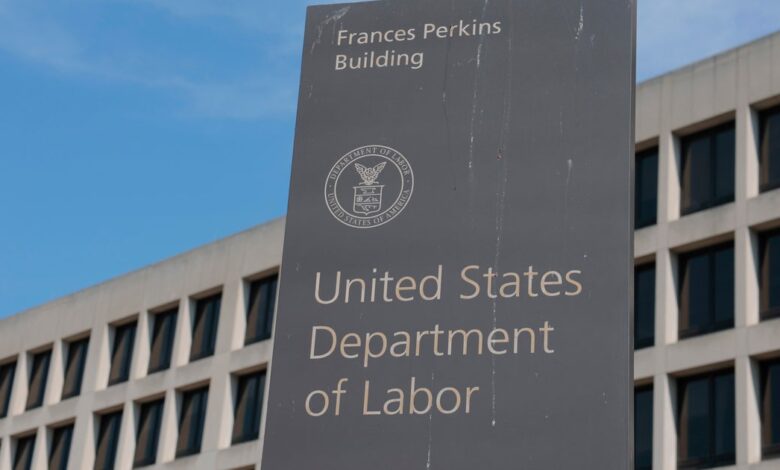
The recent downward revision of May and June’s hiring numbers by the Bureau of Labor Statistics (BLS) has sparked controversy, with President Trump accusing the department’s commissioner of “miscalculations” and subsequently firing her. The revisions, which amounted to a decrease of 258,000 jobs, are the largest two-month downward revision since 1968. However, revisions are a standard part of the BLS reporting process, as more accurate data is collected over time.
The BLS surveys both households and businesses for its monthly jobs report, and while some respondents provide data promptly, others report late. In order to provide timely information, the BLS releases initial estimates and then revises the numbers as more data becomes available. This process allows the agency to paint a more accurate picture of the job market in the U.S.
The cuts to the job numbers in May and June were seen in both public- and private-sector jobs, with the largest impact on state and local government job gains. Private-sector job gains were overstated initially due to incomplete response data. The BLS revisions were primarily driven by reductions in hiring by state and local education establishments, attributed to the expiration of government subsidies.
Despite the significant revisions, experts such as former BLS commissioner Erica Groshen and labor analyst Michele Evermore emphasize that the revisions do not indicate bias or manipulation. The BLS faces challenges in collecting complete data due to declining response rates and external economic shocks like tariffs. The agency prioritizes timeliness over 100% accuracy in its reports.
The dismissal of BLS Commissioner Erika McEntarfer by President Trump has raised concerns about political interference in the agency’s operations. However, experts maintain that the BLS operates independently and follows a rigorous process to ensure the accuracy of its reports. While revisions may cause fluctuations in the job numbers, they are crucial for providing a comprehensive view of the job market in the U.S.