How wildfires might increase risk of flu, COVID-19
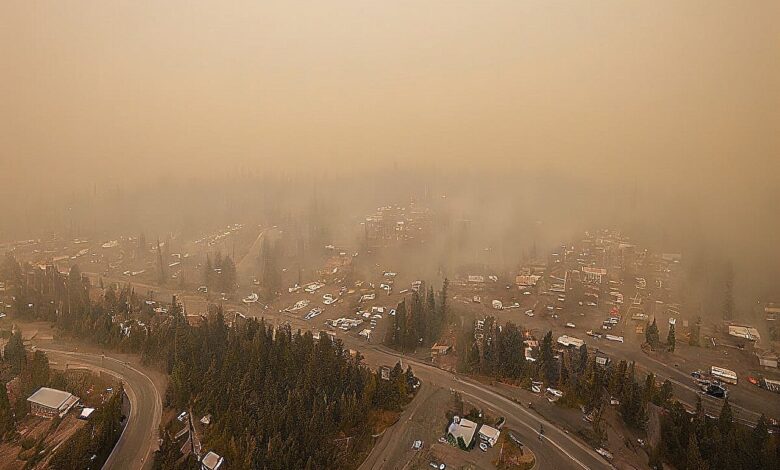
Wildfires can have unintended consequences that go beyond the destruction of forests and homes. A recent study suggests that wildfires may increase the risk of flu and COVID-19 outbreaks due to the behavior changes they trigger in affected populations.
When wildfire smoke fills the sky, people tend to stay indoors to avoid the hazardous air quality. However, this shift to indoor activities can inadvertently create ideal conditions for the spread of respiratory diseases like influenza. Researchers from Georgetown University found that during a wildfire season in Oregon and Washington in 2020, there was a significant increase in indoor activities as people sought refuge from the smoke.
Analyzing mobile phone data tracking visits to various indoor and outdoor locations, the researchers observed a 14% increase in indoor activity in Oregon counties and an 11% increase in Washington counties during the wildfires. Major cities like Seattle and Portland also experienced surges in indoor activities, further raising concerns about disease transmission in enclosed spaces.
Computer models used in the study demonstrated that the increased indoor crowding during wildfires could elevate the risk of infectious disease spread, particularly for airborne illnesses like influenza and COVID-19. However, the researchers pointed out that simple measures like wearing masks indoors could help mitigate this risk.
According to the study, even a modest increase in mask-wearing (10%) could reduce the peak incidence of disease during wildfires. In heavily impacted areas like Washington County, Oregon, and Yakima County, Washington, masking rates above 50% might be necessary to effectively limit disease transmission.
The researchers emphasized the importance of public health officials taking into account the increased infection risk posed by wildfires and advising the public accordingly. As extreme weather events become more frequent due to climate change, public health strategies need to evolve to address not just the environmental impact but also the behavioral responses to emergencies.
By understanding and planning for the behavioral changes triggered by events like wildfires, public health authorities can better protect communities in a changing climate. It is crucial to raise awareness about the potential health risks associated with wildfire smoke and implement measures to reduce the spread of respiratory illnesses during these challenging times.
The study, published in the journal PLOS Climate, underscores the need for proactive public health measures to safeguard communities from the dual threats of wildfires and infectious diseases. As we navigate a warming world with more frequent extreme events, it is vital to prioritize public health preparedness and response to protect vulnerable populations.