Humanitarian workers detail challenges getting aid into Gaza despite ceasefire
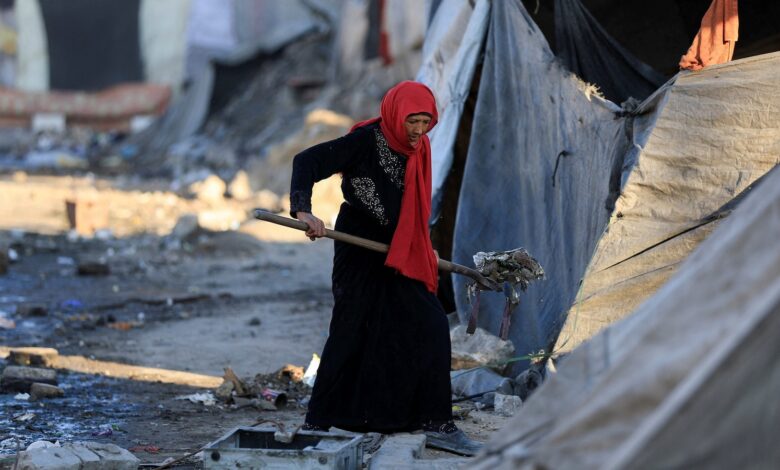
Humanitarian organizations are ramping up efforts to deliver aid to Gaza following the Israel-Hamas ceasefire. With supplies like food, clean water, medicine, and hygiene products running low in Gaza, the need for assistance is urgent. Hundreds of thousands of families have been displaced, living in crowded tents in the aftermath of the conflict.
Delivering aid to Gaza poses challenges, with Israeli authorities restricting the amount of aid entering the strip and damaged infrastructure hindering access to affected areas. As winter approaches, the window to provide essential provisions to help Gaza residents endure the cold weather is narrowing.
UNICEF’s communications manager, Tess Ingram, highlighted the importance of maintaining a steady flow of aid into Gaza. While progress has been made in aid deliveries, interruptions due to various factors like religious holidays and political tensions have impeded the process.
The rebuilding effort in Gaza is estimated to cost billions of dollars, with immediate funding required to address pressing needs. Rebuilding water systems, restoring damaged infrastructure, and clearing rubble are essential tasks that humanitarian organizations are focusing on to aid the recovery of Gaza.
As winter approaches, the need for warm clothing, blankets, and shelter becomes critical. Children, in particular, are vulnerable to the harsh conditions, necessitating efforts to provide them with adequate winter clothing and footwear.
Despite the challenges faced in delivering aid, humanitarian organizations remain committed to supporting the people of Gaza during this critical time. The goal is to ensure that every child in Gaza receives the necessary support to withstand the winter months and rebuild their lives post-conflict.