In (Sort of) Defense of (Something Like) Property Taxes

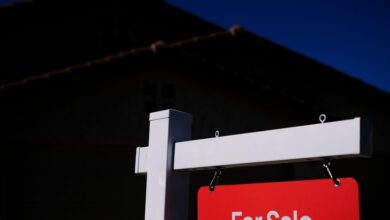
The United States is currently experiencing a growing revolt against property taxes, with states like Florida and North Dakota either attempting or considering abolishing them altogether. The dissatisfaction driving this movement stems from two main sources.
Firstly, there is a widespread belief that property taxes essentially amount to paying rent to the government for the privilege of living in your own home. Florida governor Ron DeSantis and Pennsylvania state Rep. Russ Diamond have both vocalized this sentiment, arguing that true personal liberty is unattainable if individuals cannot truly own their own property.
Secondly, the burden of property taxes is often linked to the perceived market value of a property rather than the owner’s ability to pay or the actual cost of the services being funded by the tax. This can result in disproportionate tax increases, as highlighted by a Minnesota resident who noted significant property tax hikes despite minimal cost of living adjustments for seniors on fixed incomes.
However, it is important to correct the misconception that property taxes are simply a fee for residing in one’s home. In reality, property taxes serve as payments for locally provided services such as schools, police, parks, and fire departments. If advocates for abolishing property taxes are unwilling to forgo these essential services, alternative methods of funding must be considered.
One potential solution is to rename property taxes to accurately reflect their purpose, similar to Margaret Thatcher’s implementation of the Community Charge in place of the previous rates system. Additionally, decoupling property tax burdens from fluctuations in property values and tying them instead to the actual cost of services could result in a fairer and more sustainable system.
When determining how to distribute the costs of locally provided services among taxpayers, various methods can be considered. These range from allocating based on property value to Thatcher’s approach of apportioning costs based on the number of individuals in each unit.
While some proponents of property tax abolition suggest alternative sources of funding, such as state government handouts or levies on remittances from migrants, it is essential to recognize that funding for essential services must come from somewhere. Reliance on substantial sales tax increases may be necessary to fill the financial gap left by abolishing property taxes, ensuring that those who benefit from goods and services contribute to their funding.
In conclusion, while the discontent with property taxes is understandable, it is crucial to approach reform with a comprehensive understanding of the purpose and necessity of these taxes. By implementing fairer and more transparent funding mechanisms for locally provided services, the United States can work towards a system that balances financial responsibility with the need for essential community amenities.