India braces for export shock as Trump’s 50% tariff on Indian goods takes effect
India is facing a significant challenge as steep U.S. tariffs on a range of Indian products have taken effect, posing a threat to the country’s overseas trade in its largest export market. Initially announced by President Donald Trump at 25%, the tariffs were increased to 50% due to India’s purchases of Russian oil.
The Indian government estimates that these tariffs will impact $48.2 billion worth of exports, potentially leading to job losses and slower economic growth. This comes at a time when India’s economy is one of the fastest-growing globally, making it susceptible to a slowdown as a result of these tariffs.
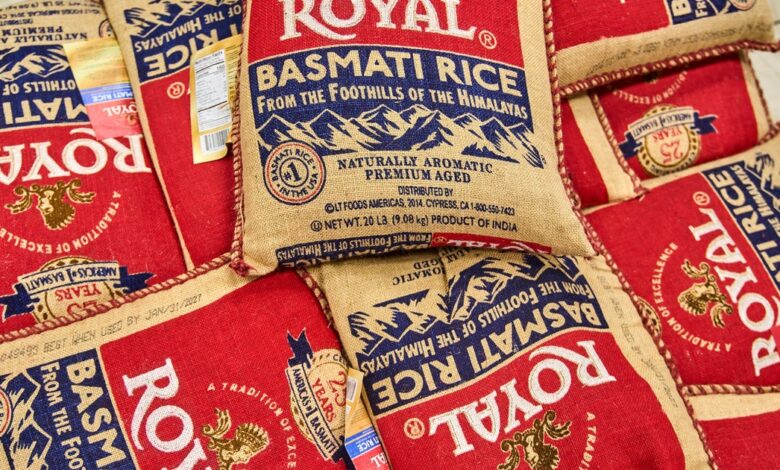
Labor-intensive sectors such as textiles, gems and jewelry, leather goods, food, and automobiles are expected to be hit the hardest. Ajay Srivastava, founder of the New Delhi-based think tank Global Trade Research Initiative, warns that these tariffs could wipe out India’s presence in the U.S. market and weaken its role in the industrial value chain.
While some sectors like pharmaceuticals and electronics have been exempt from the additional tariffs, exporters are concerned about the impact on small and medium enterprises reliant on the American market. Puran Dawar, a leather footwear exporter, expressed shock at the tariffs and emphasized the potential consequences for both Indian exporters and American consumers.
Despite ongoing negotiations for a bilateral trade agreement between India and the U.S., disagreements over market access in sectors like agriculture and dairy have hindered progress. Prime Minister Narendra Modi has vowed to prioritize the interests of Indian farmers and small businesses in these negotiations.
In response to the tariffs, the Indian government is considering reforms to boost local consumption and insulate the economy. This includes potential changes to the goods and services tax to lower costs for certain goods, as well as financial incentives for exporters. Additionally, efforts to expand exports to other regions such as Latin America, Africa, and Southeast Asia are being explored to reduce India’s dependence on the U.S. market.
As India navigates the challenges posed by these tariffs, it is clear that strategic economic planning and international trade diversification will be key to mitigating the impact on the country’s economy.