India consumer inflation extends slide to more than 6-year lows
India’s consumer inflation rate in June continued to show signs of easing, coming in at a lower-than-expected 2.10%, according to government data released on Monday. This marks a decline from the previous month, where inflation had already reached a more than six-year low. Economists had projected June inflation to be around 2.5%, making the actual figure a positive surprise.
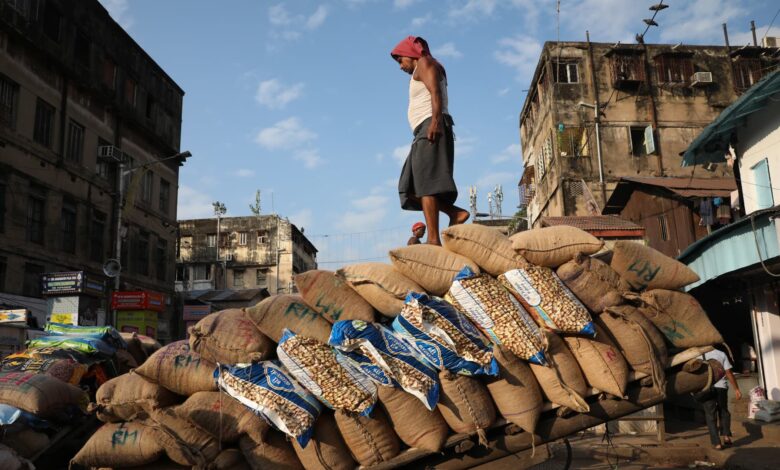
The consumer price index has now dropped for the eighth consecutive month, with food inflation playing a significant role in driving down overall prices. Food inflation stood at -1.06% in June, a stark contrast to the 0.99% recorded in May.
This downward trend in inflation provides the Reserve Bank of India with more flexibility to continue its monetary policy easing measures. In May, the RBI had implemented a substantial 50 basis points rate cut, and with inflation remaining low, there is room for further policy adjustments.
RBI Governor Sanjay Malhotra had previously highlighted the positive impact of record wheat production and increased harvest of key pulses on food supply, suggesting that food inflation could continue to decline. Financial analysts at HSBC expect inflation to average around 2.5% over the next six months, citing favorable weather conditions and strong cereal production as contributing factors.
A good monsoon season is also forecasted to help contain inflation, boost real wages, and enhance the purchasing power of consumers in the informal sector. This increase in domestic consumption could further stimulate India’s economy, which saw a faster-than-expected growth rate of 7.4% in the last quarter.
However, Governor Malhotra has cautioned against potential risks such as weather-related uncertainties and the impact of global commodity prices on the Indian economy. India is currently engaged in trade negotiations with the U.S. in an effort to secure a trade deal before President Donald Trump’s tariff deadline of Aug. 1. Failure to reach an agreement could result in significant import duties on Indian exports.
Recent reports suggest that an Indian trade delegation is expected to travel to Washington for further talks, as the U.S. has resumed sending out tariff letters to various countries. India has also proposed retaliatory duties against the U.S. at the World Trade Organization, in response to Washington’s tariffs on automobiles and auto parts that could affect billions of dollars in Indian exports.
Overall, the combination of easing inflation and ongoing trade negotiations underscores the complex economic landscape facing India and highlights the importance of strategic policy decisions in sustaining economic growth and stability.