Inflation drops to lowest level in months, defying expectations of uptick
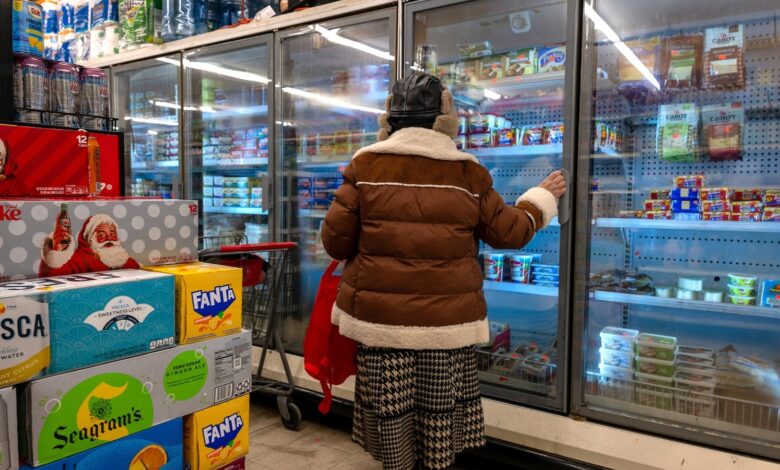
In November, inflation took a downward turn, putting an end to months of rising prices and providing some relief for households grappling with escalating costs, according to government data released on Thursday. The latest figures came in below what economists had predicted.
Consumer prices saw a 2.7% increase in November compared to the previous year, marking a significant drop from the 3% inflation rate recorded in September, the most recent month with complete data available. This decrease brings inflation to its lowest level since July.
The report offered the first glimpse of price changes in nearly two months, following a 43-day government shutdown that disrupted data collection.
Despite the overall decline in inflation, certain items like coffee and beef continued to see significant price hikes in November. Coffee prices surged by nearly 19% year-over-year, while beef prices climbed almost 16% during the same period. On the flip side, egg prices experienced a sharp drop, falling by 13% compared to the previous year.
The Bureau of Labor Statistics (BLS) disclosed partial price data for October, but omitted the overall price increase for that month due to inadequate information collection during the government shutdown.
These developments come at a crucial time for the U.S. economy, with recent data indicating sluggish job growth and elevated inflation levels. The American labor market added 64,000 jobs in November, a notable decline from the 119,000 jobs created in September, as reported by the BLS earlier this week. The unemployment rate also rose to 4.6% in November from 4.4% in September, reaching its highest level since 2021.
Similarly, a retail sales report released on Tuesday underscored concerns about consumer spending, which plays a pivotal role in driving U.S. economic activity. Retail sales remained flat in October compared to September, indicating a lack of growth despite the onset of the holiday season.
In response to these economic challenges, the Federal Reserve recently implemented its third interest rate cut of the year, lowering the benchmark rate by a quarter of a percentage point. The Fed’s benchmark rate now stands between 3.5% and 3.75%, down from its peak in 2023 but still considerably higher than the near-zero rate established at the start of the COVID-19 pandemic.
Fed Chair Jerome Powell acknowledged the delicate balancing act facing the central bank, which must navigate between controlling inflation and maximizing employment. Powell emphasized the complexity of the situation, stating that there is no risk-free approach to policy decisions as the Fed strives to meet its dual mandate.
Looking ahead, the Fed is scheduled to convene next month to reassess interest rates. Market sentiment currently indicates a 75% likelihood of rates remaining unchanged, with a 25% chance of another quarter-point rate cut, according to the CME FedWatch Tool. The central bank faces a challenging task as it strives to address the competing demands of managing inflation and supporting job growth in the uncertain economic landscape.