Inflation held steady in February before Iran war drove up gas prices, CPI report shows
The latest data from the Labor Department shows that the Consumer Price Index (CPI) rose at an annual rate of 2.4% in February, which is in line with the previous month and slightly lower than economists had predicted. This data was collected before the outbreak of the Iran war in late February, which has since caused a surge in oil prices and raised concerns about inflation among investors.
Heather Long, chief economist at Navy Federal Credit Union, noted that inflation had been easing towards the end of 2025 and the beginning of 2026. However, the war in Iran has triggered price increases for energy, food, and other goods, leading to a potential uptick in inflation.
Economists had forecasted a 2.5% increase in inflation for last month, but the actual CPI numbers came in slightly lower. The CPI measures changes in prices for a basket of goods and services typically purchased by consumers. Core inflation, which excludes volatile food and energy prices, also rose at a rate of 2.5% annually.
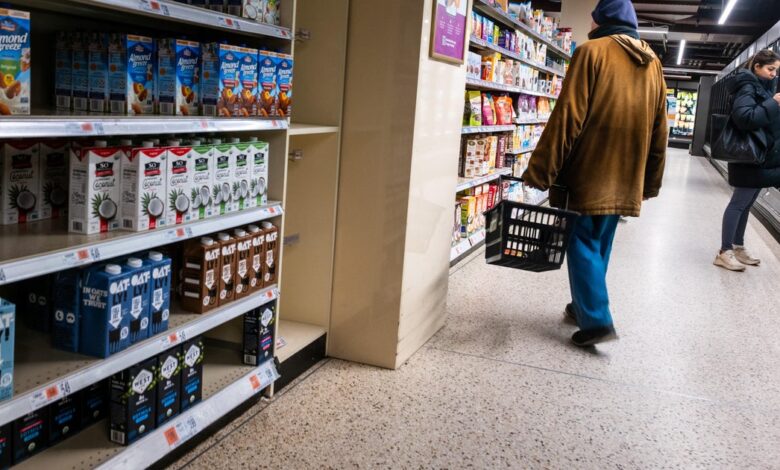
Food costs increased at a faster pace than overall inflation, with a 3.1% rise in prices on an annual basis. The cost of dining out also saw a significant jump, with a 3.9% increase.
While gasoline prices dropped by 5.6% annually in February, the recent surge in oil prices due to the Iran war is expected to erase those gains. Gas prices have risen by almost 20% since the conflict began, with the average cost per gallon reaching $3.58 in the U.S.
Experts warn that the inflationary pressures caused by the Iran war could have far-reaching effects beyond the gas pump. Rising oil prices may lead to higher prices for other goods and services, impacting consumers across the board.
The Federal Reserve, which is responsible for managing inflation and employment, may need to reconsider its interest rate policies in light of the current economic conditions. The recent job losses and potential inflationary pressures could influence the Fed’s decision on future rate cuts.
Overall, the outlook for inflation remains uncertain as the situation in Iran continues to unfold. Investors and consumers alike will be closely monitoring how the Fed responds to the changing economic landscape in the months ahead.