Inflation held steady in February before Iran war drove up gas prices, CPI report shows
The latest data from the Labor Department reveals that the Consumer Price Index (CPI) rose at an annual rate of 2.4% in February, staying steady from the previous month and falling short of economists’ expectations. This slower pace of inflation comes before the outbreak of the Iran war, which has since caused a surge in oil prices and raised concerns about inflation among investors.
Heather Long, the chief economist at Navy Federal Credit Union, commented that the easing inflation seen at the end of 2025 and the beginning of 2026 will likely be short-lived due to the impact of the Iran war on prices of energy, food, and other goods.
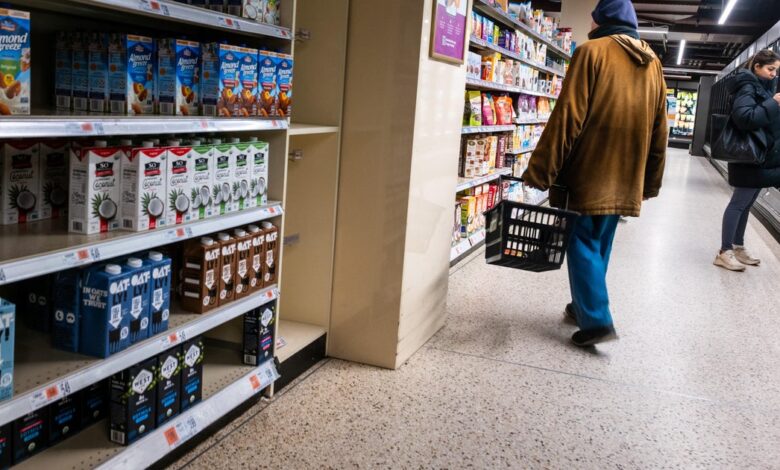
Economists had predicted a 2.5% increase in inflation for last month, but the CPI only rose by 2.4%. The core inflation rate, which excludes volatile food and energy prices, remained unchanged at 2.5% on an annual basis. Food costs increased by 3.1%, with the cost of dining out rising even more significantly at 3.9%.
Gasoline prices dropped by 5.6% annually in February, providing consumers with some relief at the pump. However, the recent spike in gas prices, up nearly 20% since the start of the Iran war, is expected to erase this progress. The average price for gasoline in the U.S. has already risen to $3.58 per gallon from $3 per gallon before the conflict.
Experts warn that the surge in oil prices driven by the Iran war could lead to higher inflation in the coming months. The impact is not limited to gas prices, as it could also affect other sectors of the economy. Patrick De Haan, a petroleum expert at GasBuddy, anticipates gas prices to hover around $3.55 to $3.65 before gradually declining to around $3.25 in the next month.
The Federal Reserve will closely monitor the inflationary pressures resulting from the Iran war as it decides on future interest rate cuts. While markets are anticipating a rate cut in July or September, the Fed’s decision on March 18 will provide more clarity. The central bank faces the challenge of balancing low inflation with full employment, especially in light of the recent job losses reported in the economy.
Overall, the uncertainty surrounding inflation and interest rates in the wake of the Iran war underscores the need for caution and vigilance in the economic landscape. The implications of higher oil prices extend beyond the gas pump, impacting various sectors and potentially influencing the Fed’s monetary policy decisions.