Inhaled farm dust alters gut bacteria and weakens intestinal barrier in mice
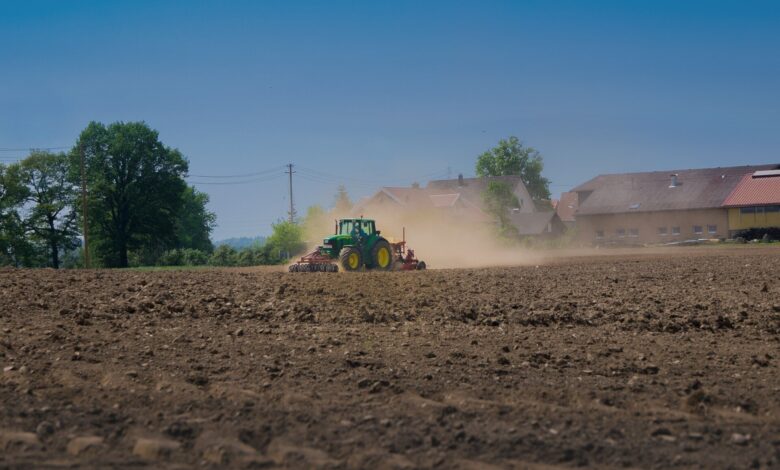
Exposure to agricultural dust has long been known to pose health risks, especially for workers in animal agriculture. A recent study conducted by the University of California, Riverside, has shed light on the significant impact of inhaling farm dust on gut health.
Led by Professor Declan McCole from the UCR School of Medicine, the study delves into the effects of hog farm dust on gut microbiome and intestinal function. Previous research had shown that inhaling this dust can lead to airway inflammation, but the new findings reveal a deeper level of harm. The study, published in the Journal of Applied Toxicology, demonstrates that exposure to swine farm dust not only alters the gut microbiome but also impairs intestinal function, resulting in increased intestinal permeability or “leaky gut.”
Meli’sa Crawford, the first author of the paper and a former postdoctoral researcher in McCole’s lab, explains that the dust, which is rich in bacteria and endotoxins, caused both airway inflammation and the passage of gut bacterial products into the bloodstream in mouse models. The impact on the gut microbiome and metabolism was particularly striking, with a significant drop in beneficial bacterial species and decreased levels of essential compounds in the gut.
The researchers exposed mice to hog dust extract intranasally for three weeks, leading to a reduction in key bacterial species and compounds necessary for energy metabolism, immune regulation, and gut barrier maintenance. McCole emphasizes that while most studies have focused on the respiratory effects of farm dust, the systemic consequences cannot be ignored. The research highlights the importance of considering the gut-lung axis when assessing the health risks of bioaerosol exposure in agriculture.
The study builds on the growing body of evidence showing that pollution from concentrated animal feeding operations can have wide-ranging effects on multiple organ systems. McCole stresses the need for improved workplace protections for agricultural workers to mitigate the long-term health consequences of inhaling farm dust.
Supported by grants from the National Institutes of Health, University of California, Davis-Western Center for Agricultural Health and Safety, and University of California Presidential Postdoctoral Fellowship Program, the study underscores the urgent need to address the health risks associated with agricultural dust exposure. Crawford, now an assistant professor at Rutgers University, co-authored the paper titled “Respiratory Exposure to Agriculture Dust Extract Alters Gut Commensal Species and Key Metabolites in Mice.”
For more information, the research paper can be accessed through the Journal of Applied Toxicology. This study serves as a poignant reminder of the importance of safeguarding the health of agricultural workers and implementing measures to protect against the detrimental effects of inhaling farm dust.