Inside LA’s deadliest gangs MS-13 and 18th Street Gang
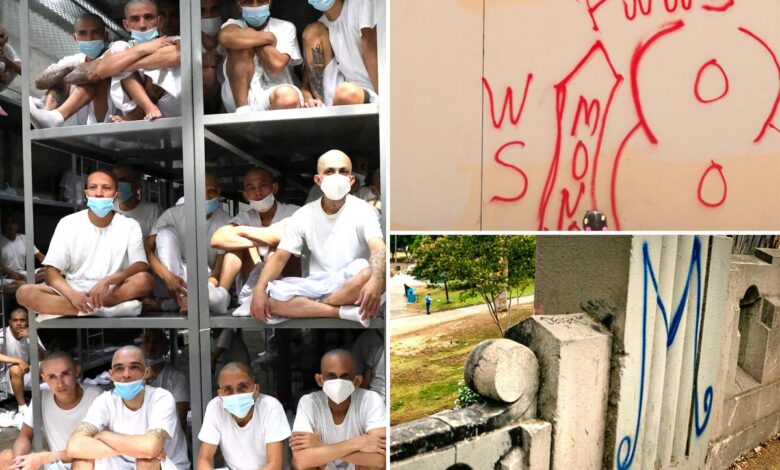
The longstanding rivalry between the two biggest criminal organizations in Los Angeles, MS-13 and the 18th Street Gang, has taken a surprising turn. The Los Angeles Police Department has become increasingly concerned as the two gangs, known for their deep-seated hatred and history of violence, have seemingly put aside their animosity in favor of pursuing profits.
The 18th Street Gang, also known as Barrio 18, traces its roots back to Los Angeles’ first Hispanic gang, Clanton 14, in the 1950s. Over the years, the gang expanded across the United States and into Central America, particularly El Salvador. By opening its ranks to members of all ethnic backgrounds in the 1980s, the 18th Street Gang grew into one of the largest gangs in Los Angeles, with tens of thousands of members. This led to the gang being involved in drug trafficking, extortion, and murder, ultimately earning a Foreign Terrorist designation from the FBI.
On the other hand, MS-13 originated in El Salvador in the 1980s during the country’s civil war. Initially known as the Mara Salvatrucha Stoners, the gang quickly evolved into a ruthless criminal enterprise known for its brutal methods, such as hacking rivals apart with machetes. The Trump administration later designated MS-13 as a Foreign Terrorist Organization.
Both gangs have a history of violence, with brutal initiation rituals and a reputation for terrorizing communities. As U.S. authorities cracked down on gang violence, many MS-13 and 18th Street members were deported to El Salvador, leading to a surge in violence in the country.
The violence eventually spilled back into Los Angeles, with cop killings, arson, racketeering, and deadly shootings plaguing the city. As both gangs operated in overlapping territories, they engaged in bloody street wars that terrorized residents.
However, a surprising development emerged as the gangs shifted their focus from violence to profit. LAPD investigators learned of a truce between MS-13 and the 18th Street Gang, orchestrated by the Mexican Mafia, to whom both gangs had sworn allegiance. The truce was motivated by the Mexican Mafia’s directive to put aside their rivalry as it was impacting profits.
Now, the gangs are working together under the umbrella of the Sureños to capitalize on drug trafficking and the underground casino trade. While traditional rivalries still exist, a new era is emerging in Los Angeles’ underworld, posing a potentially dangerous challenge for law enforcement.
As the dynamics of the criminal underworld in Los Angeles continue to evolve, the LAPD remains vigilant in monitoring the activities of MS-13 and the 18th Street Gang to ensure the safety of the city’s residents.