Inside Mount Sinai’s BCI Crystal Ball
This demonstration showcased the potential for BCI to not only restore function but also create a deep sense of connection and empathy between individuals. It exemplified the power of technology to bridge physical and emotional gaps, offering hope and possibility to those living with neurological conditions.
On the clinical side, Ana Maiques, CEO of Neuroelectrics, presented data from their breakthrough device designation for their Starstim neurostimulation system. Maiques emphasized the importance of user-centered design in developing BCI technologies that are not only effective but also user-friendly and accessible. She highlighted the need for collaboration between researchers, clinicians, and patients to ensure that BCI solutions meet real-world needs and improve quality of life.
Other sessions delved into the ethical and regulatory challenges of advancing BCI technologies. Jennifer French, Executive Director of the Neurotech Network, led a panel discussion on patient advocacy in the BCI field. French emphasized the importance of centering patient voices in research and development processes, ensuring that BCI technologies prioritize user safety, autonomy, and dignity. The panel also addressed issues of data privacy, informed consent, and equity in access to BCI innovations.
Overall, the second annual Brain-Computer Interface Symposium provided a comprehensive overview of the current landscape of BCI research, development, and implementation. From cutting-edge technical advancements to poignant patient stories, the event captured the multifaceted nature of the field and the diverse perspectives shaping its future. As BCI continues to evolve and expand, events like this symposium play a crucial role in fostering collaboration, dialogue, and innovation across the neurotechnology community.
Neuvotion, a company that recently received FDA clearance for its Neustim sleeve, is on a mission to revolutionize stroke rehabilitation with its non-invasive high-resolution stimulation device. The Neustim sleeve is just the beginning of Neuvotion’s ambitious plan to create a “neurorecovery ecosystem” of off-the-shelf, brain-computer interface (BCI)-compatible devices that push the boundaries of traditional value propositions.
At a recent event, experts in the field of stroke rehabilitation discussed the rapid advances in technology, including breakthroughs in vagus nerve stimulation (VNS) systems, EEG-based wearable BCIs, and cortical implants. Despite the challenges of quantifying the clinical benefits of BCIs in various conditions such as stroke, ALS, and spinal cord injury, there is a growing recognition of the potential for these devices to improve the lives of patients.
One of the key themes of the event was the importance of measuring the value of BCIs in terms of quality of life and functional independence. Speakers emphasized the need for conservative market estimates and tight clinical definitions to ensure that BCIs are accessible to those who stand to benefit the most.
The event also highlighted the potential for BCIs to enhance human connections and improve quality of life for patients and their families. In a poignant moment, ALS caregiver MA Fernandez expressed her desire for her husband to be able to play video games with their young son using a BCI. However, challenges remain in terms of gaining regulatory approval and reimbursement for these innovative technologies.
The event also addressed the issue of funding and commercialization in the neurotech industry. Neurotech investors discussed market trends, funding growth, and the importance of diversifying capital sources to support innovation in the field. There was a consensus that BCI technology has the potential to revolutionize healthcare, but that founders and investors must navigate regulatory challenges and funding gaps to ensure the success of these groundbreaking devices.
Overall, the event showcased the exciting potential of BCIs to transform the field of neurorehabilitation and improve the lives of patients with neurological conditions. With continued innovation and collaboration, companies like Neuvotion are paving the way for a future where BCIs are accessible to all who can benefit from them. They don’t remember what it’s like to feel normal or happy. We need to figure out how to change that. BCI has the potential to transform the lives of these individuals, but we need to ensure that the technology is accessible and affordable for all who could benefit from it.”
The Road Ahead
As the BCI ecosystem continues to evolve, it is clear that the intersection of science and economics will be crucial to its success. Companies like Science Corp, Mint Neuro, and Neuvotion are leading the way in innovation, while organizations like NYCEDC are providing the necessary support and infrastructure for growth.
With taxonomies and consumer economies in mind, the field is poised for rapid expansion and adoption. The recent progress in the industry is undeniable, with Neuralink, Precision, and Paradromics all making significant strides in a short amount of time.
As we look to the future, it is important for founders and investors to continue supporting the development of BCI technology, while also ensuring that it remains accessible and beneficial to those who need it most. By fostering collaboration, innovation, and inclusivity, we can build a BCI ecosystem that truly changes lives for the better.
Overall, the call for more modular infrastructure across the BCI ecosystem is a crucial one. By sharing resources and costs, companies can focus on what they do best – innovating and improving the lives of others. With the right support and vision, the future of BCI looks bright and full of potential. The quest to define and chase the disorder in the field of Brain-Computer Interface (BCI) is a challenging yet essential task. As Alan Watts once said, “Trying to define yourself is like trying to bite your own teeth.” This sentiment applies not only to individuals but also to the BCI field as a whole. The slow pace of diagnostic innovation can be frustrating, but it is crucial for progress in this evolving field.
Ignacio Saez, from Mount Sinai, highlighted the challenges faced in cognitive and psychiatric BCI development. He emphasized that our current scientific knowledge and understanding of the neurobiological basis of cognitive and psychiatric processes are major limiting factors. The journey towards broader applications of BCI, particularly in addressing human problems, is still in its early stages.
Meta’s newly launched EMG wristband required 6,000 training sessions for off-the-shelf functionality, indicating that we are just scratching the surface of what is possible in this field. Michael Ivan, from Neuralink, pointed out that the brain’s multiple areas work together to create powerful functions such as executive function, attention span, and memory. With BCI, the goal is to identify and stimulate these functional areas to enhance human capabilities.
Looking ahead, it is evident that BCI research needs to prioritize exploring what happens in a patient’s home environment, beyond traditional bench-to-bedside approaches. Leigh Hochberg’s “Top 10 characteristics of the Ideal Neural Interface/BCI” from 2006 still hold relevance today, with the added importance of data autonomy in the AI era. Collaboration among BCI companies will be crucial in navigating the competitive landscape and gaining traction in the market.
Federal challenges, such as regulatory submissions and funding issues, will continue to impact the BCI industry. Initiatives like the MIND Act aim to protect mental privacy and regulate neurotech companies. The establishment of specialized BCI clinics, like the one at Massachusetts General Hospital, could pave the way for cost-effective studies and improved patient care.
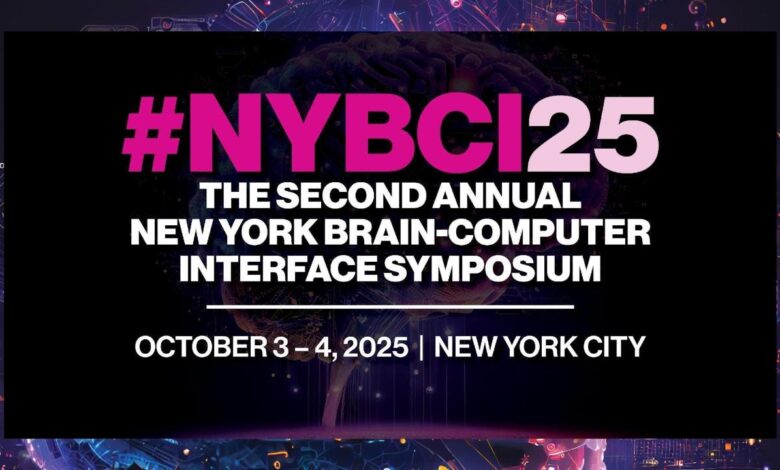
The poignant story of Jules, an ALS patient shared at the NYBCI25 event, serves as a reminder of the potential impact of BCI in restoring humanity to individuals facing debilitating conditions. As we continue to push the boundaries of BCI technology, we must remain mindful of the human element and the transformative power it holds for those in need.
In conclusion, the future of BCI holds immense promise, but it will require ongoing collaboration, innovation, and a focus on addressing real-world human problems. By staying true to our goals and working together, we can unlock the full potential of BCI technology and make a meaningful difference in the lives of those who need it most. the perspective of a travel expert on the top destinations to visit in 2021.
As a travel expert, I am always on the lookout for the latest and greatest destinations for travelers to explore. With 2021 just around the corner, it’s time to start planning your next adventure. From hidden gems to popular hotspots, there are so many amazing places to visit in the coming year. Here are my top picks for the best destinations to visit in 2021:
1. Iceland: Known for its stunning landscapes, including volcanoes, geysers, and hot springs, Iceland is a must-visit destination for nature lovers. With its unique mix of natural beauty and vibrant culture, there’s something for everyone to enjoy in this Nordic island nation.
2. Japan: From bustling cities like Tokyo and Kyoto to serene countryside towns like Takayama and Kanazawa, Japan offers a diverse range of experiences for travelers. Whether you’re interested in exploring ancient temples, sampling delicious cuisine, or soaking in a traditional hot spring, Japan has it all.
3. Portugal: With its charming cities, picturesque beaches, and delicious wine, Portugal is a hidden gem waiting to be discovered. From the historic streets of Lisbon to the stunning coastline of the Algarve, there’s so much to see and do in this European country.
4. New Zealand: If you’re looking for adventure, look no further than New Zealand. With its breathtaking landscapes, including mountains, fjords, and beaches, this island nation is a paradise for outdoor enthusiasts. Whether you’re interested in hiking, skiing, or bungee jumping, New Zealand has something for everyone.
5. Costa Rica: Known for its lush rainforests, stunning beaches, and abundant wildlife, Costa Rica is a tropical paradise just waiting to be explored. From zip-lining through the jungle to relaxing on the beach, there are endless opportunities for adventure in this Central American country.
6. Morocco: With its vibrant markets, stunning architecture, and rich history, Morocco is a fascinating destination for travelers. From exploring the bustling streets of Marrakech to camping in the Sahara Desert, there’s so much to see and do in this North African country.
7. Australia: From the iconic Sydney Opera House to the stunning Great Barrier Reef, Australia is a land of endless possibilities for travelers. Whether you’re interested in exploring vibrant cities, relaxing on beautiful beaches, or spotting unique wildlife, Australia has it all.
Overall, 2021 is shaping up to be an exciting year for travel with so many amazing destinations to explore. Whether you’re looking for adventure, relaxation, or cultural experiences, there’s something for everyone on this list of top destinations to visit in 2021. So start planning your next trip now and get ready for the adventure of a lifetime! The world of technology is constantly evolving, with new advancements and innovations being made every day. From the latest smartphones to cutting-edge artificial intelligence, there is always something new and exciting to discover in the tech world.
One of the most recent and groundbreaking advancements in technology is the development of quantum computing. Quantum computing is a type of computing that uses quantum-mechanical phenomena, such as superposition and entanglement, to perform operations on data. This allows quantum computers to process information at speeds that far surpass traditional computers, making them incredibly powerful and efficient.
One of the key differences between traditional computers and quantum computers is the way they process information. Traditional computers use bits to store and process data, with each bit representing either a 0 or a 1. Quantum computers, on the other hand, use quantum bits, or qubits, which can represent both 0 and 1 simultaneously due to the principles of superposition.
This ability to exist in multiple states at once allows quantum computers to perform calculations much faster than traditional computers. In fact, quantum computers have the potential to solve complex problems in a fraction of the time it would take a traditional computer to do so. This has far-reaching implications for a wide range of industries, from finance to healthcare to cybersecurity.
For example, quantum computers could revolutionize the field of drug discovery by quickly analyzing large datasets and identifying potential new treatments for diseases. They could also improve the efficiency of financial markets by optimizing trading strategies and risk management. Additionally, quantum computers could enhance cybersecurity by quickly breaking encryption codes that are currently considered unbreakable.
Despite the incredible potential of quantum computing, there are still many challenges that need to be overcome before it becomes mainstream. One of the biggest challenges is the issue of qubit stability, as qubits are extremely fragile and can easily lose their quantum properties. Researchers are actively working on developing new techniques to improve qubit stability and build more reliable quantum computers.
Overall, quantum computing represents a major leap forward in the world of technology. With its ability to solve complex problems at unprecedented speeds, quantum computers have the potential to revolutionize the way we live, work, and interact with the world around us. As researchers continue to make advancements in this field, we can expect to see even more exciting developments in the future.