Inside the high-stakes battle over vaccine injury compensation, autism and public trust
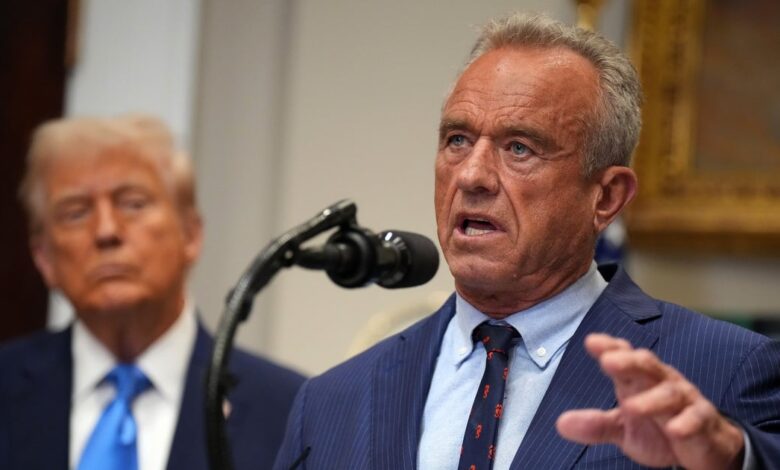
The Department of Health and Human Services Secretary, Robert F. Kennedy Jr., has put forward a groundbreaking proposal to include autism on the list of conditions covered by the Vaccine Injury Compensation Program (VICP). This program allows families to file claims against vaccine providers in cases of severe side effects. Kennedy has also suggested expanding the definitions of encephalopathy and encephalitis to potentially qualify autism cases for compensation.
However, experts caution that such a move could lead to a flood of claims, jeopardizing the financial stability of the program and providing anti-vaccine groups with ammunition. Legally, HHS would need to undergo notice and comment rulemaking to revise the VICP table, which lists specific injuries presumed to be caused by vaccines within a certain time frame.
Carole Johnson, former administrator of the Health Resources and Services Administration, warns that the VICP is already overburdened and adding new categories of claims could exacerbate the backlog. Dorit Reiss, a law professor, believes that including autism in the VICP table would be exploited to cast doubt on vaccines, despite the clear scientific evidence debunking any link between vaccines and autism.
The VICP was established in response to a crisis in the 1980s when allegations of vaccine-related injuries led to a surge in lawsuits against vaccine makers. The program provides a swift and generous compensation system for individuals who experience adverse effects from vaccines. However, the inclusion of autism in the table could have significant financial implications, with potential payouts averaging $2 million per case and an initial cost of nearly $100 billion.
The vaccine-autism debate has a contentious history, with numerous studies and court rulings confirming that vaccines do not cause autism. Despite this scientific consensus, the controversy continues to persist, fueled by misinformation and misunderstanding. Public health experts emphasize the importance of vaccinations in preventing deadly diseases like measles, mumps, and rubella, which can have severe and long-lasting consequences if left unchecked.
Families of children with autism deserve support and resources, but expanding the VICP to cover conditions not linked to vaccines could undermine the program’s original purpose. Instead, experts recommend focusing on direct support through disability funding and aid. Dr. Céline Gounder, an internist and infectious disease specialist, emphasizes the need to prioritize scientific evidence and support for autistic individuals and their families.
If Secretary Kennedy proceeds with the plan to add autism to the VICP table, it will face intense scrutiny and opposition from various stakeholders. The debate over including autism in the compensation program is not just a policy issue but a fundamental question of trust and supply in the vaccine ecosystem. The delicate balance between compensation and causation must be preserved to maintain public confidence in vaccination programs.