Iowa soybean farmers lost China as a buyer. Cattle was their backup plan — then Trump announced plans to import more beef
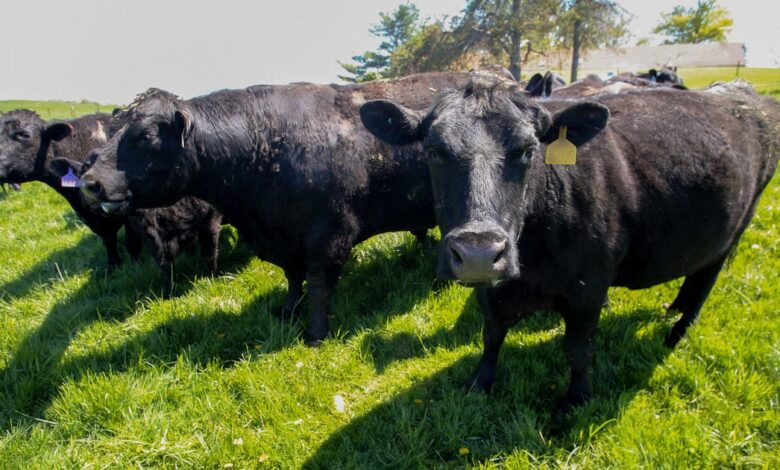
The Wobeter family, like many farmers in Iowa, have been facing financial challenges due to the ongoing trade war with China. With their corn and soybean crops being heavily impacted by the tariffs, cattle had been a saving grace for them in 2025. However, their hopes were dashed when President Trump announced plans to increase beef imports from Argentina, causing wholesale cattle prices to plummet.
Burleen and Pete Wobeter expressed their frustration at being used as pawns in a political game that seemed to be working against their best interests. As farmers across the U.S. struggled with uncertainty during the harvest season, the Wobeters were hoping that strong cattle prices could offset their losses from the soybean market.
Despite the drop in cattle prices, consumers have not seen any savings at the grocery store. In fact, prices for ground beef and steak have increased significantly over the past year due to factors like drought, high feed costs, and a shrinking U.S. cattle herd. Bryan Whaley, CEO of the Iowa Cattlemen’s Association, emphasized that increasing imports from Argentina would not solve the underlying issues affecting the U.S. beef industry.
To assist struggling farmers and ranchers, the Trump administration announced a $3 billion aid package to provide relief. This funding, which comes from a fund previously used to aid farmers in Trump’s first term, aims to help farmers weather the downturn caused by the trade war. Additionally, the administration hinted at the possibility of new trade agreements, including one with China, that could benefit soybean farmers in the future.
Treasury Secretary Scott Bessent expressed optimism about the potential trade deals, stating that soybean farmers would benefit from the new agreements. President Trump also mentioned during his Asia trip that a new trade deal with China was in the works and expected to be finalized soon.
As farmers like the Wobeters continue to navigate the challenges posed by trade tensions and market fluctuations, they remain hopeful that government assistance and new trade agreements will help stabilize their livelihoods. The agriculture industry, which plays a crucial role in the U.S. economy, relies on a delicate balance of domestic production and international trade. Only time will tell how these factors will shape the future of farming in America.